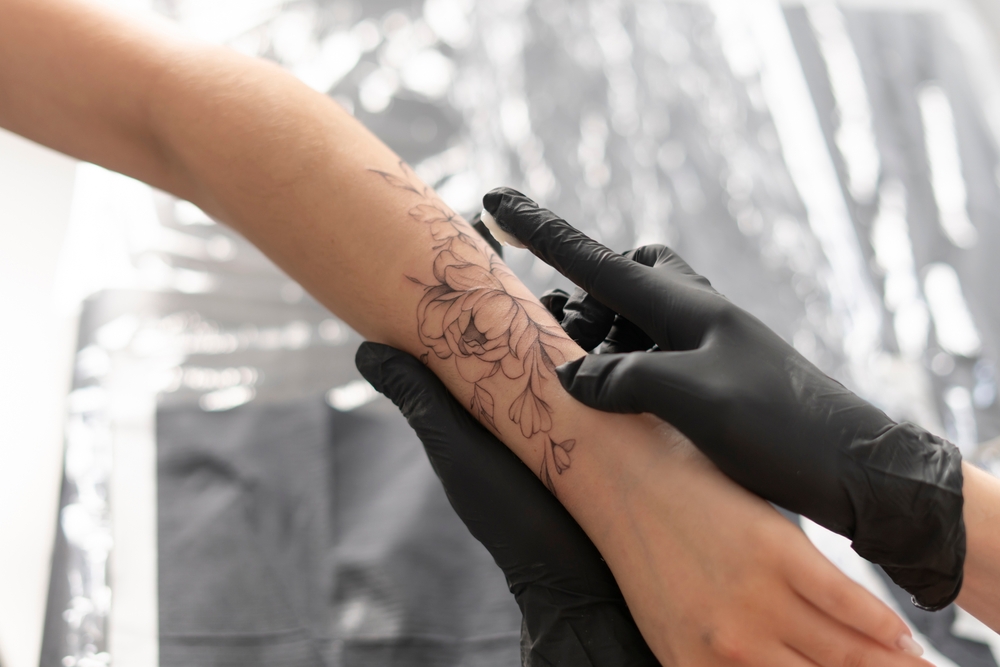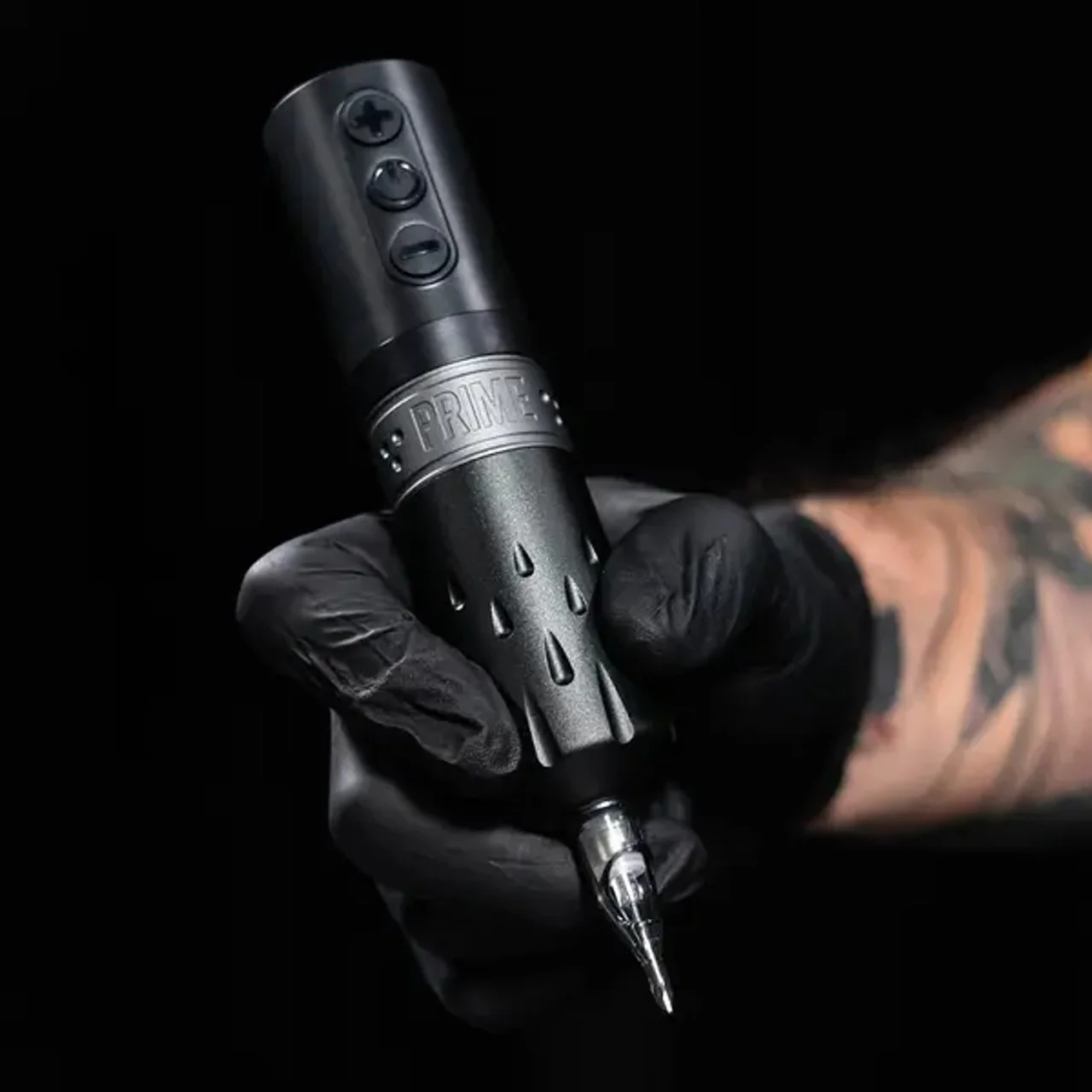
As you develop your career, clients will request placements that go beyond the standard upper arm or calf. Fingers, ribs, the neck, behind the ear, feet, and hands present genuine technical and safety challenges that require preparation — both in technique and in how you communicate with clients about risks and realistic outcomes.
This guide covers the most commonly requested sensitive placements, their specific challenges, and how to approach each one professionally.
Why Placement Matters More Than You Think
Every body location has distinct skin properties — thickness, elasticity, proximity to bone, movement, and sun exposure — that directly affect the tattooing process and the long-term appearance of the tattoo. Understanding these differences isn’t optional for a professional artist. It’s part of your duty of care to clients.
When a client requests a challenging placement, your job is not just to execute the technical work but to give them the information they need to make an informed decision. That means being honest about expected results, healing challenges, and the likely need for touch-ups or ongoing maintenance.
Fingers and Hands
Finger and hand tattoos are among the most frequently requested and most technically challenging placements. The challenges are significant:
Ink retention: The skin on fingers, particularly over the knuckles, has very high turnover. Tattoos here fade more quickly than anywhere else on the body, often significantly within the first year. Colour tattoos on fingers are particularly prone to fading; black ink holds better but still requires touch-ups in most cases.
Movement: Fingers flex and extend constantly, creating mechanical stress on healing and healed tattoos. This movement accelerates fading and makes fine detail difficult to maintain.
Skin consistency: Finger skin is extremely thin over bony areas (knuckle joints) and thicker in the pads. Managing consistent depth across this variation is technically demanding.
Client communication is critical for finger and hand tattoos: inform clients directly that these placements require regular touch-ups, that fine line detail will not hold as well as on fleshy placements, and that they should expect to revisit the work within 12 months.
Ribcage
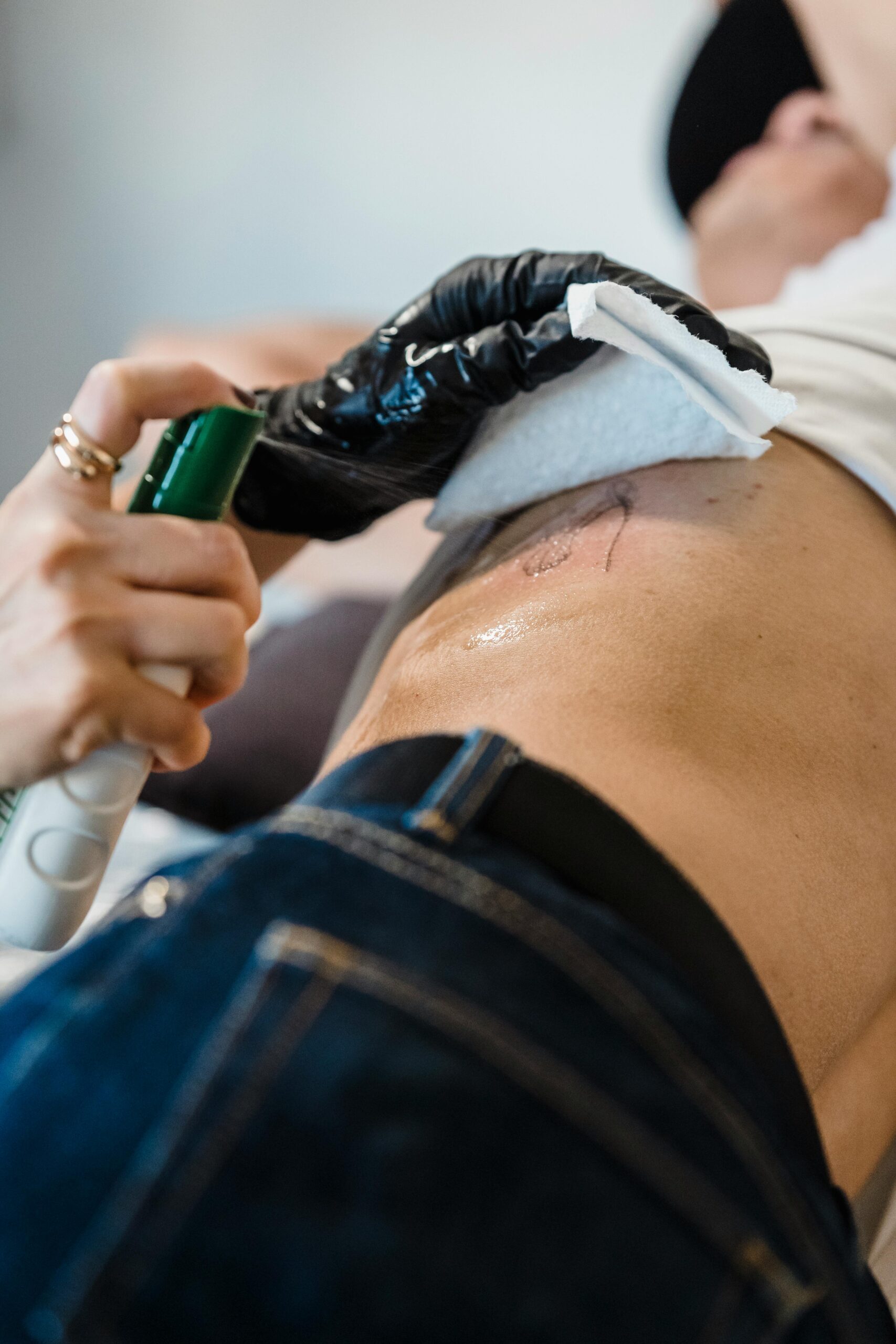
Rib tattoos are consistently requested — and consistently described by clients as among the most painful placements. Thin skin over bone with minimal subcutaneous tissue, constant respiratory movement, and high sensitivity from nearby nerve endings all contribute.
Technical challenges: The ribcage surface curves and moves with breathing, making long, straight lines and consistent design placement difficult to execute. Designs must be adapted for the curved surface.
Working with movement: Ask your client to take shallow, steady breaths during the session rather than deep or irregular breathing. This reduces movement in the working area and improves your ability to execute clean lines.
Pain management: Pre-session discussion of expected discomfort is professional and reduces session disruption from clients who weren’t prepared. Numbing creams (EMLA or equivalent) applied with adequate lead time can significantly reduce discomfort for longer sessions in this area.
Rib designs should account for the surface curvature at the design stage. Straight horizontal designs require alignment adjustment to read as straight against the body’s natural curve.
Feet and Ankles
Foot and ankle placements are popular and carry specific healing challenges:
Ink retention on feet: The dorsal foot (top) has relatively thin skin over the foot’s bone structure. The sole is never tattooed due to extreme skin thickness and turnover. The inner ankle is thin-skinned; the outer ankle is slightly thicker. Both areas commonly require more passes than fleshy placements to achieve full ink saturation.
Healing: Feet are particularly susceptible to healing issues — they’re the most difficult area to keep clean and uncontaminated, especially in summer when clients want to wear sandals or go barefoot. Emphasise the importance of keeping foot tattoos covered and protected during healing.
Footwear: Advise clients to wear loose, open footwear for the first two weeks post-session. Tight shoes or socks rubbing against a healing tattoo is a common cause of ink loss and healing issues.
Behind the Ear and Neck
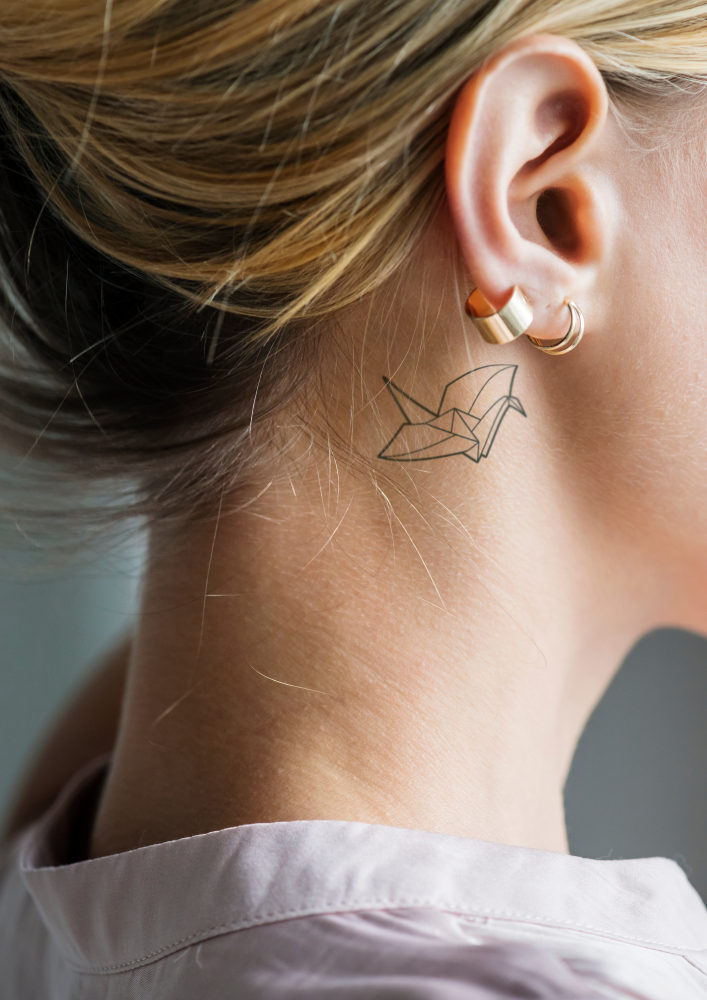
Behind the ear: A delicate, small-area placement that requires clean, precise work. The skin here is thin and close to cartilage in some areas. Pain sensitivity is relatively high. The limited working area and the proximity of the ear itself require careful stencil placement and client positioning.
Neck — visible placement: Neck tattoos, particularly on the front and sides, are considered ‘job-stopper’ placements in many professional contexts. As an artist, your professional responsibility includes ensuring the client has genuinely considered the social and professional implications of a high-visibility neck tattoo — particularly for first-time clients or young clients. This isn’t about judgment; it’s about providing the information that responsible decision-making requires.
Nape (back of neck): The back of the neck is a popular fine line placement and less professionally contentious than front or side neck. Skin here is moderate thickness, and the placement wears relatively well compared to other sensitive areas.
Sternum and Chest
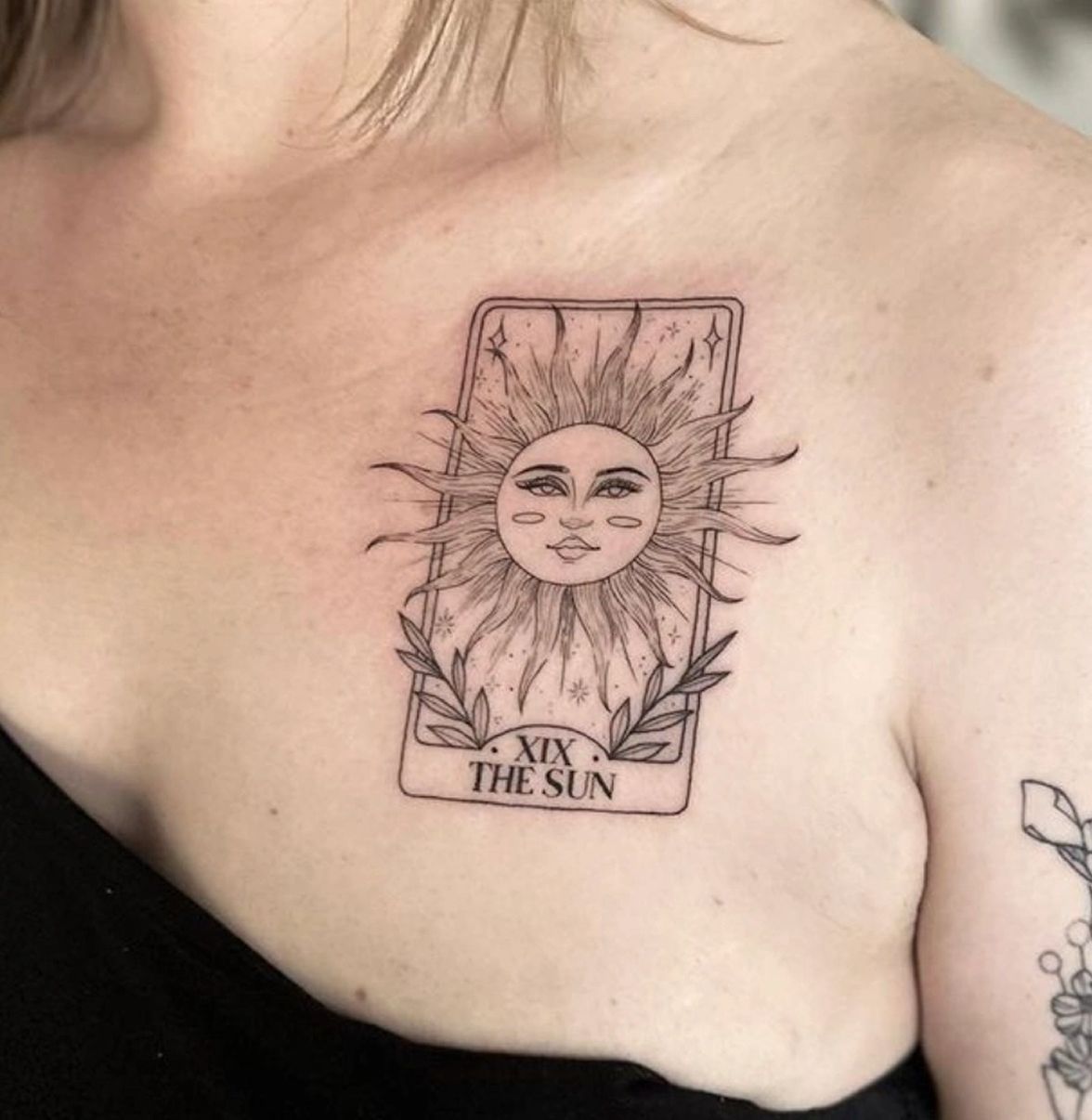
Sternum tattoos — placed centrally between the breasts on the chest — have grown significantly in popularity. They’re technically accessible for the artist but present specific healing considerations.
The skin over the sternum is thin with minimal subcutaneous tissue. The surface is flat and relatively immobile compared to the ribcage. However, clothing friction during healing can be significant — particularly for clients who wear bras, which can rub directly against a healing sternum tattoo. Advise clients to wear loose, soft clothing over the healing area and consider timing the session around activities that would compromise healing.