One of the practical questions prospective students ask most often is: what do I actually get when I enrol? Will I have everything I need to start practising from day one, or will I need to buy a lot of additional equipment? The answer varies between providers, but knowing what a quality course should include — and what you’ll likely need to source yourself — helps you compare courses intelligently and budget accurately.
What a Quality Online Tattoo Course Should Include
A reputable online tattoo course should provide you with a complete kit capable of supporting your practical learning from the start. The core components you should expect:
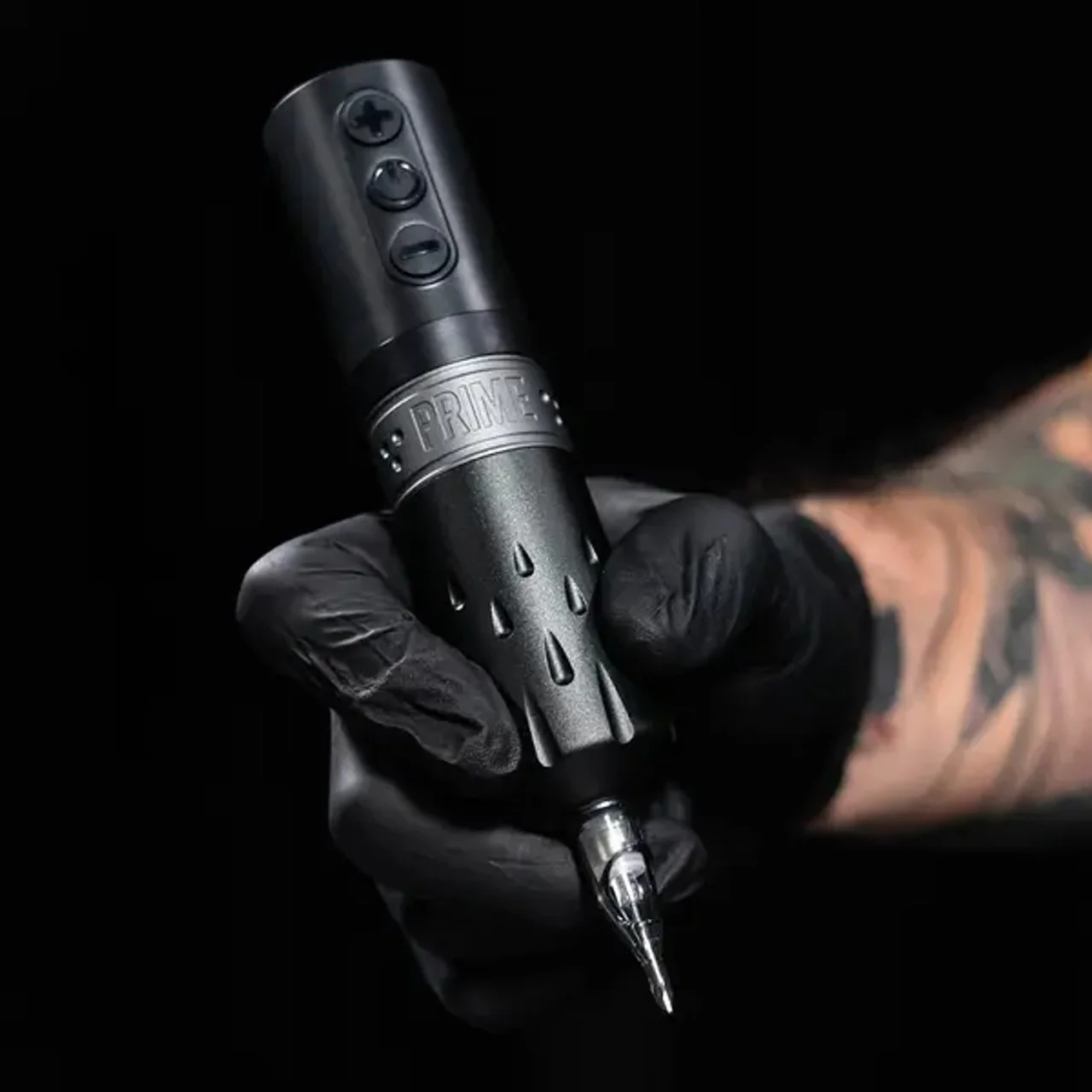
A tattoo machine (rotary): A quality rotary pen-style machine is the industry standard for fine line work and is the appropriate starting point for most students. Your course machine should be of genuine professional quality — not a cheap kit machine that will produce inconsistent results and teach you nothing about how a good machine should feel. If a course kit includes a poorly made machine, the learning experience suffers accordingly.
Power supply: A reliable power supply with voltage control. Your machine is only as consistent as your power source. Look for a power supply that provides stable voltage output at the settings you’ll be working at (typically 5–8V for fine line work) and has accurate voltage display.
Cartridge needles: A starter selection of cartridge needle configurations appropriate to the course’s focus. For a fine line course, this should include 1RL, 3RL, and 5RL configurations at minimum. For a realism course, shading cartridges including curved magnums should be included.
Synthetic practice skin: The medium on which you’ll do the bulk of your practical training. Quality practice skin closely replicates the resistance and feel of real skin, making your synthetic skin practice transferable to real clients. Poor-quality practice skin — too hard, too soft, or with a surface texture that doesn’t simulate skin — trains the wrong reflexes.
Inks: A starter selection of black inks (and grey wash if relevant to the course). Professional-grade inks are important — vegan, pre-sterilised inks produced to safety standards are the industry expectation.
Consumables: Ink caps, barrier film, gloves, paper towels, and stencil transfer materials. These are consumables that will be used up and need replenishing over time.
What You’ll Typically Need to Source Separately
Even the most comprehensive course kit has a finite budget. There are items most courses don’t include that you’ll need to acquire separately:
Sharps disposal container: Mandatory for safe needle disposal. Available from pharmacies and medical supply stores for a few dollars. Non-negotiable from a safety perspective.
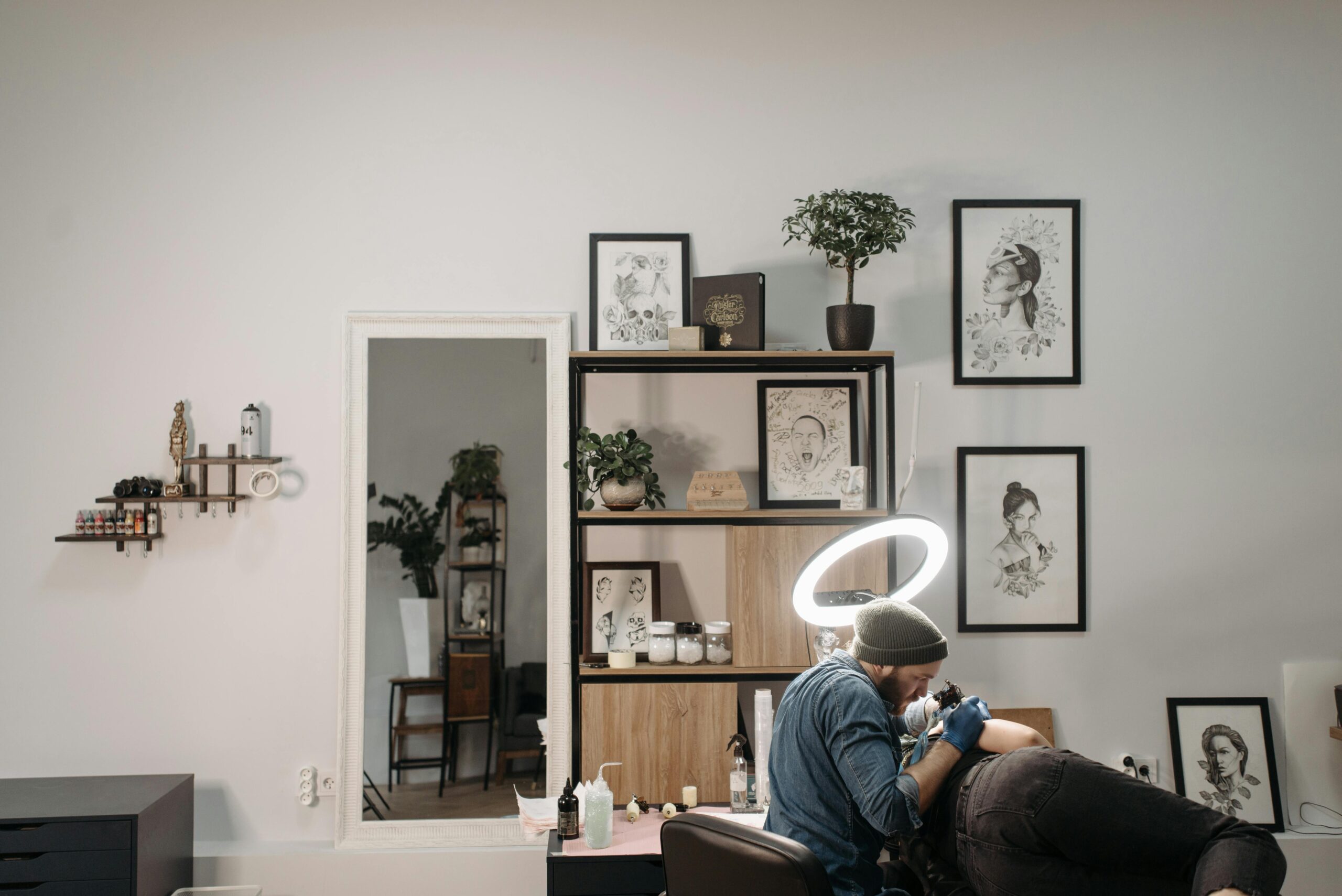
Work surface and seating: A clean, hard-surface table and adjustable seating for your practice space. Not typically included in course kits — they assume you have some form of work area available.
Additional consumables beyond the initial kit: Ink caps, gloves, and barrier film will need to be replenished throughout your training. Budget for regular restocking — these are low-cost items individually but add up over a full course.
Additional needle configurations: As your training progresses and you develop specific technique interests — ultra-fine single needle work, soft magnum shading, larger shading configurations — you may want to experiment with needle types beyond what’s in the kit.
Infection control certification: In Australia, infection control (HLTINF005 or equivalent) training is typically required before you begin working with clients. This is usually completed as a separate short course or online module — budget around $50–$150 for this component if it’s not included in your main course.
Questions to Ask About Equipment Before Enrolling
When evaluating courses, ask directly about the equipment included:
• What machine brand/model is included? Is it professional quality or a starter kit machine? • What quality is the practice skin? Does it simulate real skin resistance? • How many practice skin sheets are included — are they adequate for the full curriculum? • Are the included inks professional-grade and pre-sterilised? • Is the power supply adjustable and does it have accurate voltage display? • Are replacement consumables available to purchase separately through the course provider?
Vague answers or resistance to specifics about equipment quality is a red flag. Quality course providers are confident about their kit because it’s a core part of what they’re selling.
The Omnia Equipment Package
Our Fine Line Tattoo Course includes a comprehensive equipment package with professional-quality tools — not beginner kit machines. We believe that learning on good equipment from the start produces better technique and sets students up for professional practice, rather than requiring an equipment upgrade as soon as they complete their training.
Your kit includes everything you need to begin practical training from day one of the course, without needing to make additional equipment purchases to get started.
Infection Control: The Certification You Need Before Working with Clients
Before you tattoo anyone who isn’t yourself, you need current infection control certification. In Australia, this is typically the HLTINF005 Comply with Infection Prevention and Control Policies and Procedures unit, available through registered training providers as a standalone module. Some online tattoo courses include this as part of their curriculum. Others treat it as a separate requirement. Either way, confirm this before beginning client work — it’s a legal and professional requirement, not optional.