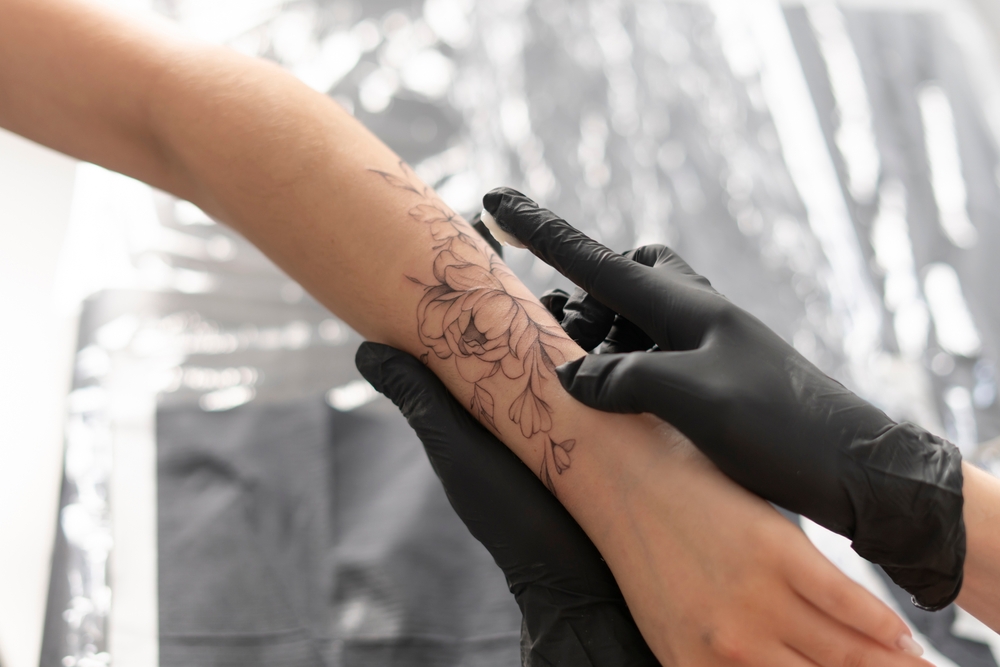
Single needle tattooing occupies the most refined end of the fine line spectrum. It’s the style that produces the gossamer-thin lines, the micro-realism portraiture, and the intricate botanical detail that generates the most engagement on social media and the most enquiries from aesthetics-focused clients.
It’s also technically the most demanding approach in fine line tattooing. The single needle has no grouping to compensate for minor variations in speed or pressure — every imperfection is visible. This is what makes single needle work both the pinnacle of fine line technique and the style that most rewards disciplined, structured training.
What Is Single Needle Tattooing?
Single needle tattooing uses a single needle — a 1RL (1 Round Liner) configuration — rather than the grouped configurations used in most tattooing. The result is a line width of approximately 0.30–0.35mm at standard settings, compared to 0.5–1mm+ for typical fine line liner configurations and significantly wider for traditional tattooing.
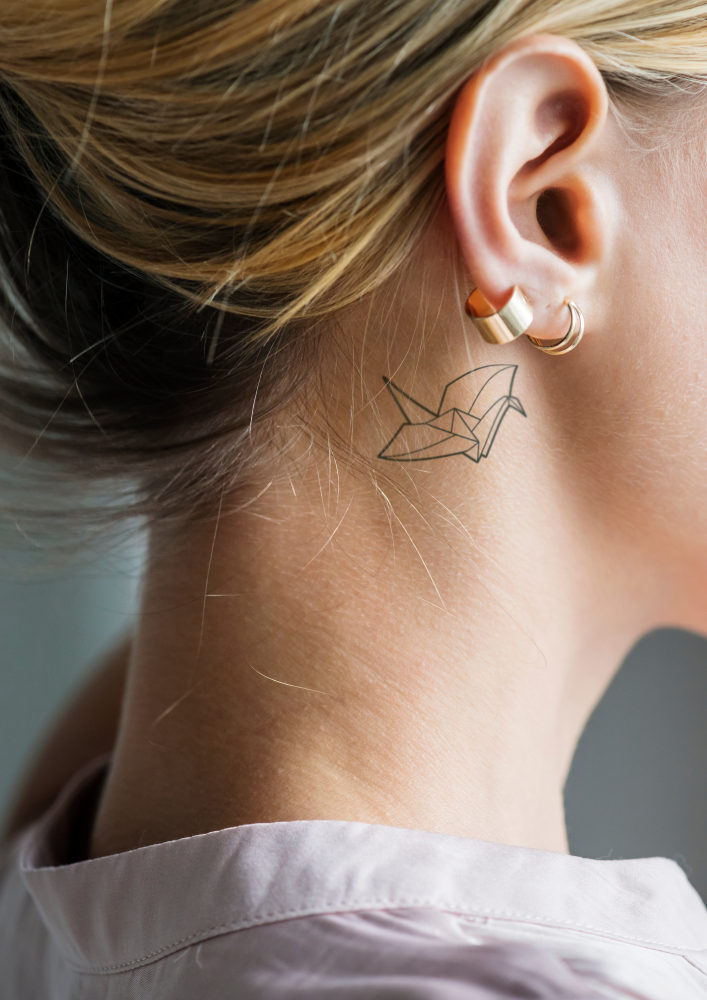
At this scale, the tattoo produces a quality that’s closer to a pencil drawing or engraving than to what most people visualise when they think of a tattoo. Micro-realism portraiture, botanical illustrations with individual petal texture lines, delicate script — all of these are natural expressions of the single needle approach.
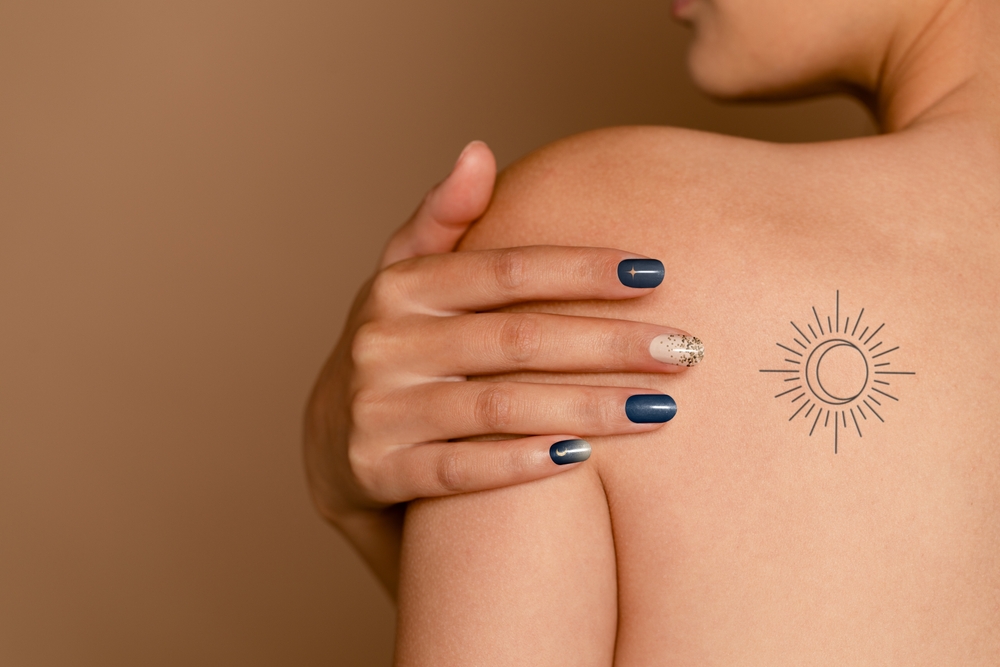
The style is also associated with subtle, minimal designs that suit clients who want body art that’s understated, almost invisible at normal social distances but revealed in detail on close inspection. This aesthetic has strong appeal across demographics and shows no signs of slowing.
The Technical Demands of Single Needle Work
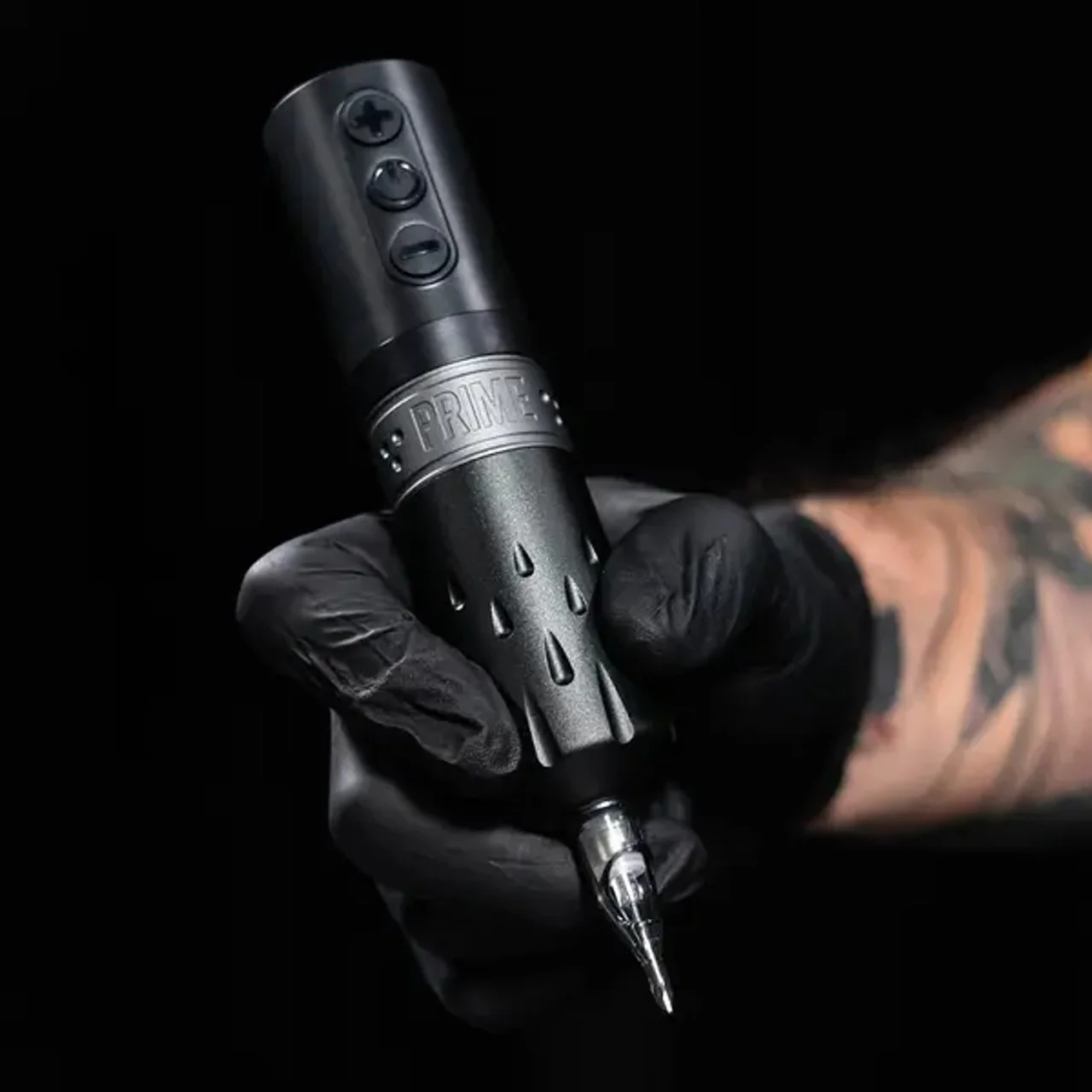
Machine stability: Single needle tattooing is exceptionally sensitive to machine vibration and voltage instability. The smallest amount of needle wobble produces visible inconsistency in line quality. High-quality rotary machines with minimal vibration are strongly preferred — coil machines can be used by experienced artists, but they require more hand compensation for vibration.
Hand speed consistency: The relationship between hand speed and ink deposit is tighter with a single needle than with any grouped configuration. Too slow deposits too much ink and risks blowout. Too fast produces a faint, broken line. Developing a consistent, controlled hand speed — through deliberate practice — is the primary technical challenge for new single needle artists.
Depth precision: With a single needle, the depth at which the needle enters the dermis must be precise. Too shallow and the ink won’t hold (single needle ink deposits are thin enough that even slight shallowness results in loss during healing). Too deep risks blowout, which spreads the fine lines and eliminates the style’s defining crispness.
Voltage management: Single needle work typically runs at lower voltages than multi-needle configurations — commonly 4.5–6.5V. Lower voltage reduces the force of needle penetration, giving more tactile control and reducing skin trauma. Finding the correct voltage for your specific machine-needle combination is part of the calibration process that precedes any client session.
What Single Needle Tattooing Is Best Suited For
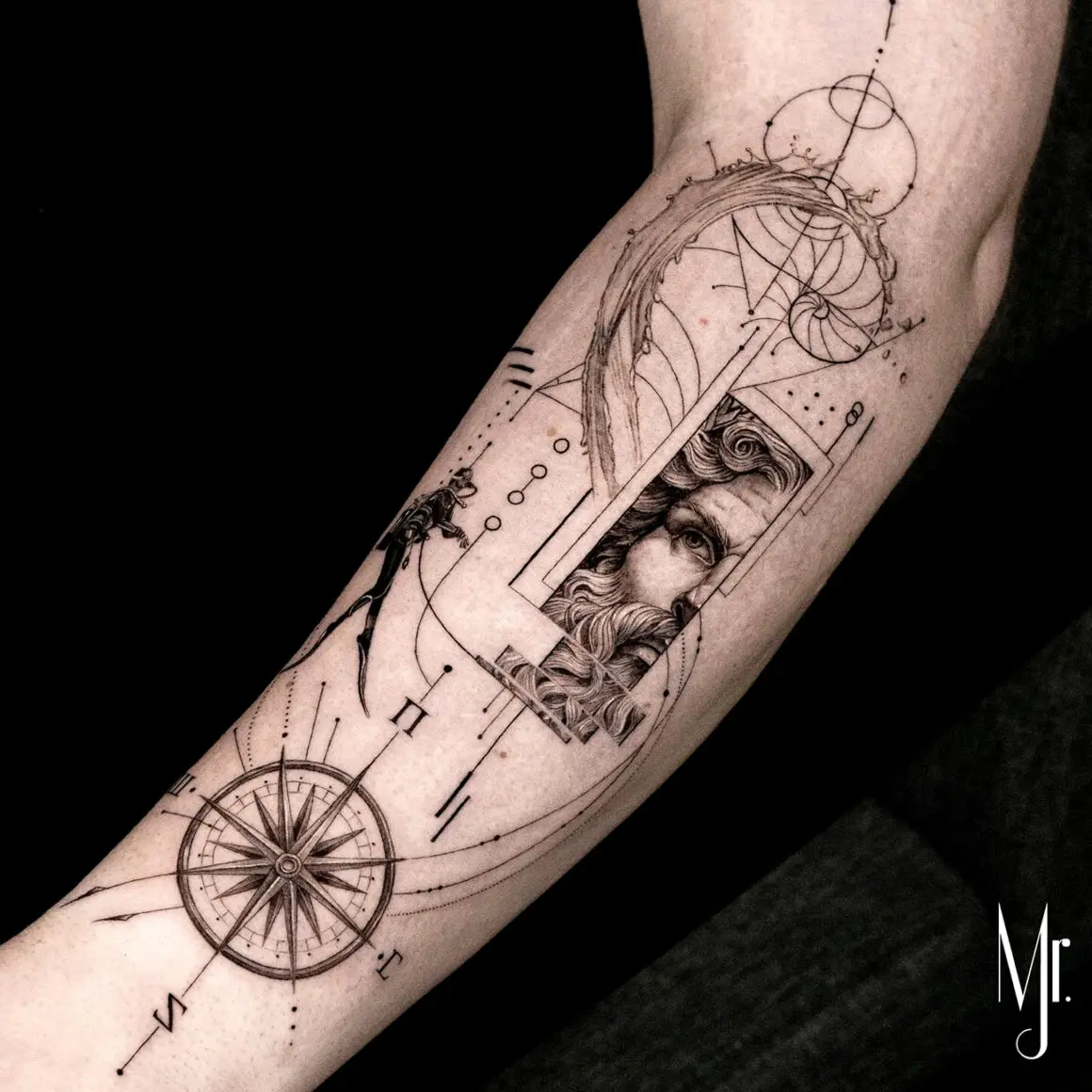
Micro-realism: Small-scale portrait or subject work (face size 2–5cm) rendered with photographic detail. Single needle micro-realism requires both the precision of single needle technique and the tonal knowledge of the realism discipline — a high-level combination that produces some of the most impressive and photographed tattoo work in the current Australian market.
Botanical illustration: Fine-detail botanical work — individual petal texture lines, vein work in leaves, anther detail in flowers — benefits enormously from single needle precision. The difference between a 3RL botanical piece and a single needle version is immediately visible to trained eyes.
Typographic and script work: At small text sizes, single needle produces cleaner letterforms with less ink spread than multi-needle configurations. Script work that needs to remain legible at small scales often benefits from single needle execution.
Minimalist geometric: Pure geometric linework — where the line quality is the design — is revealed most starkly in single needle work. Perfect circles and straight lines executed in single needle are challenging and impressive; any deviation is immediately visible.
Career Opportunities for Single Needle Specialists
Single needle tattooing is a strong career specialisation for several reasons:
The skill barrier to entry is high, which means quality single needle artists are relatively scarce — supply constraint in a high-demand market creates favourable pricing conditions. The style attracts clients who’ve done extensive research and are seeking a specific, advanced aesthetic — these clients tend to have higher-than-average tattoo budgets and lower price sensitivity.
Single needle work photographs exceptionally well and performs strongly on social media, where the intricate detail is best appreciated at phone-screen viewing distance. This gives single needle artists a natural platform advantage for client acquisition.
The geographic barrier is also lower than for some styles — an excellent single needle artist in a regional area can attract interstate or even international clients via their online portfolio in a way that’s less common for styles with less distinctive visual identity.