Completing your online tattoo course is a significant achievement. The question immediately following is: what now? The transition from student to professional is the moment where many new artists’ momentum stalls — not because of skill deficits, but because they don’t have a clear plan for the first critical weeks.
This 90-day action plan gives you a structured roadmap from course completion to active professional practice.
Days 1–14: Foundation Setting
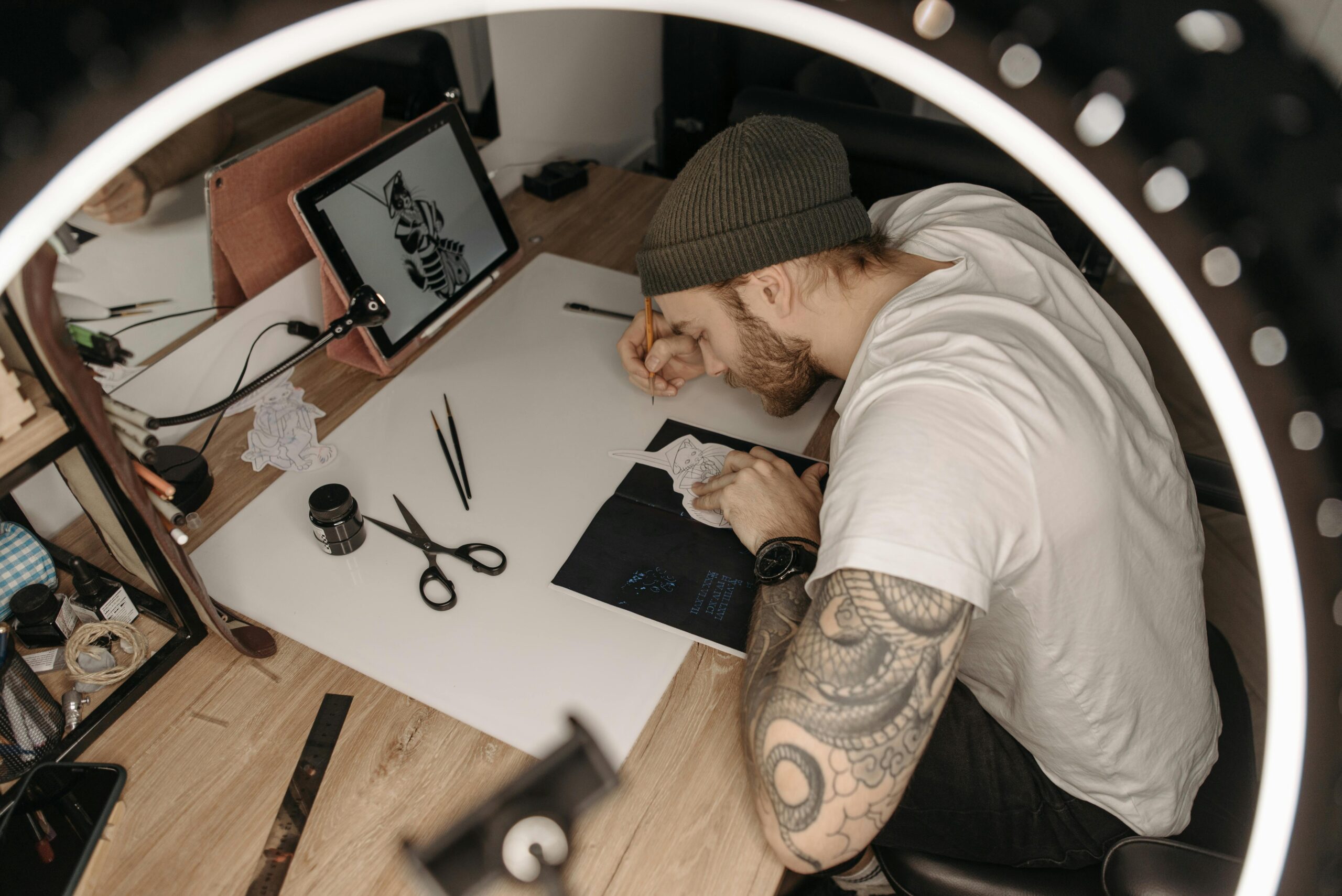
Assemble your portfolio: Pull together your best work from throughout the course — synthetic skin pieces, any practice on willing friends or family, your strongest submissions. Photograph everything consistently: the same background colour, the same lighting setup, the same camera distance. Aim for 8–12 pieces that clearly represent your style and technical level.
Set up your Instagram: If you haven’t already, create a dedicated Instagram account for your tattoo work — separate from your personal account. Choose a handle that includes your name and location or style (e.g. @emilyfinelinemelbournetatts). Write a clear bio: what you do, where you’re based, and how to book. Add a booking link or contact email.
Set up Google Business Profile: This takes 30 minutes and makes you findable to local clients who search for tattoo artists near them. Add your business name, suburb, contact details, and portfolio photos immediately. Ask your first clients to leave reviews here.
Set up your booking system: Even simple — a contact form on a free booking site, or just an email address — you need a clear way for clients to reach you. More sophisticated tools like Booksy or Fresha are free to set up and handle scheduling professionally.
Days 15–30: Activate Your Personal Network
Tell everyone: Post on your personal social media — Facebook, personal Instagram — that you’ve completed your training and are taking bookings. Be specific: ‘I’m a fine line tattoo artist based in [suburb], now taking bookings at an introductory rate.’ Don’t wait for people to notice. Announce it.
Message directly: DM or text friends and acquaintances who’ve expressed interest in tattoos, or who you know have existing tattoos and would appreciate the style you practise. A direct, personal message converts far better than a broadcast post alone.
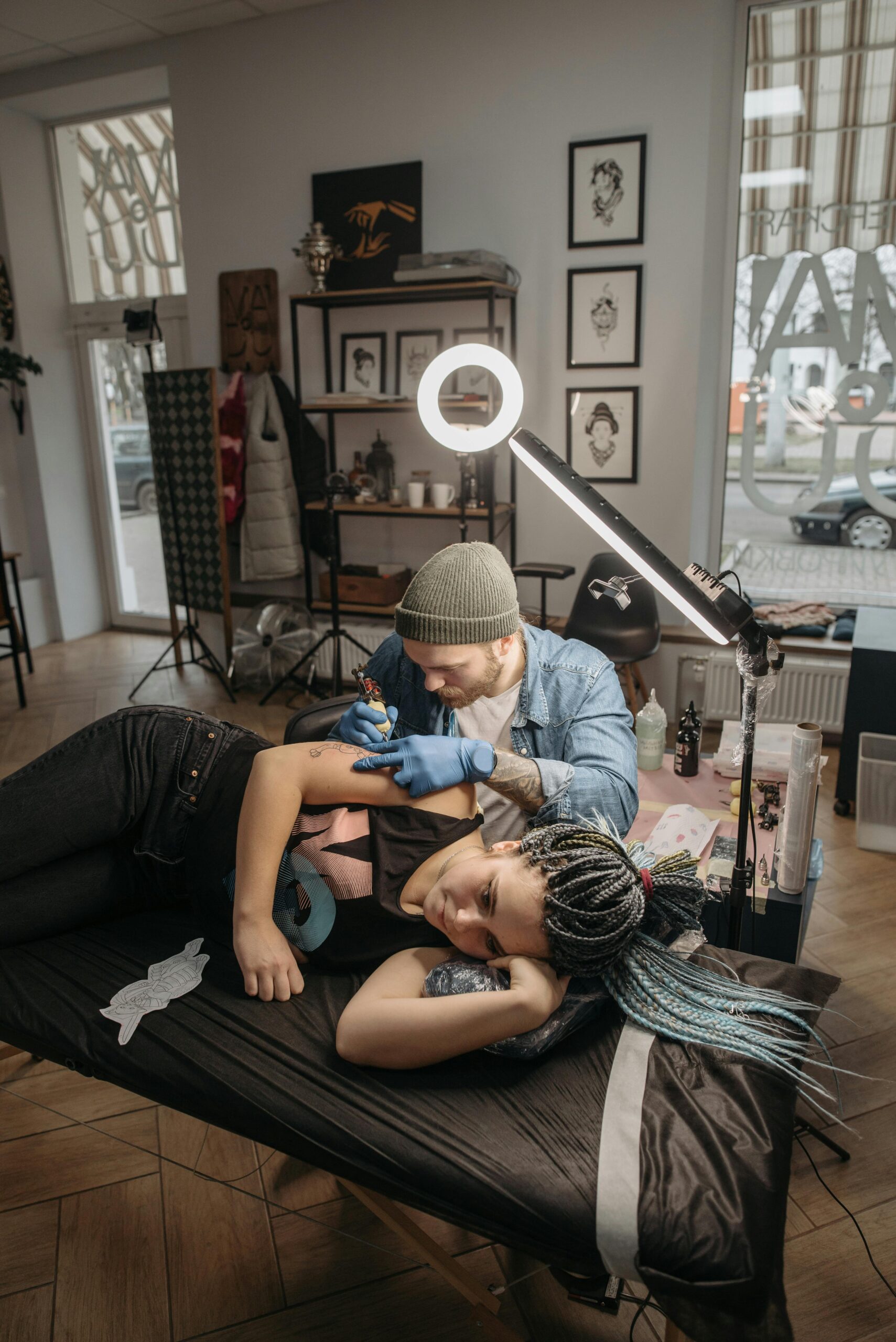
Offer your first sessions at introductory rates: Set your introductory rate — typically 30–50% below what you’ll charge at full professional rate — and communicate it as time-limited. The goal is to get your first 5–10 real skin pieces, build healed portfolio photography, and generate your first reviews and referrals.
Days 31–60: Build Your Content Presence
Post consistently: Commit to a minimum posting frequency on Instagram — three to five posts per week. Mix content types: finished pieces, work-in-progress shots, brief process videos (time-lapses work well), and behind-the-scenes content from your practice space.
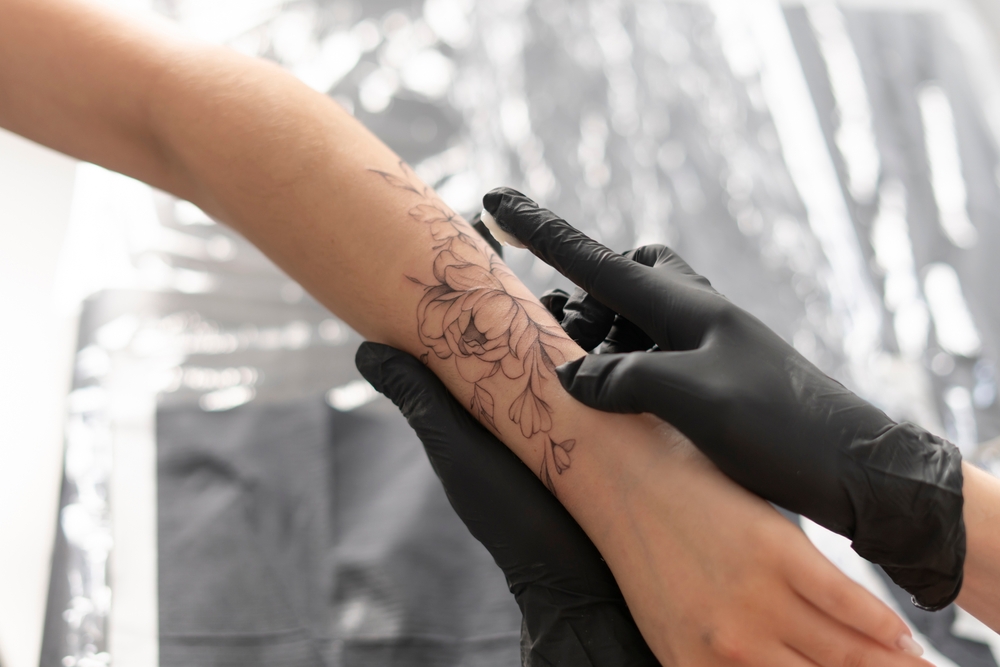
Document healed results: This is crucial. Fresh tattoo photos are useful; healed tattoo photos are gold for your portfolio and social proof. Contact your early clients 6–8 weeks post-session and ask for healed photos. Offer a small discount on their next booking in exchange.
Engage with the local tattoo community: Follow local studios, interact with local artists’ content genuinely. The tattoo community is small and interconnected. Relationships built early — through authentic engagement rather than self-promotion — pay dividends through referrals and collaboration.
Post flash designs: Create and post flash sheets — sets of pre-drawn designs available at a fixed price. Flash posts consistently generate high engagement and booking enquiries. Announce a flash day: a specific date when these designs are available at a set price.
Days 61–90: Refine, Review, and Plan Forward
Review your first 10 pieces: Pull together your real skin work from the first two months and assess it critically. Where are the most consistent issues? Line inconsistency, shading unevenness, design proportion errors? Identify your primary technical gap and build your next practice focus around addressing it.
Review your enquiry conversion rate: Track how many enquiries became bookings. If you’re getting enquiries but losing them before booking, the issue is in your consultation or pricing communication. If you’re not getting enquiries at all, the issue is visibility — more content, more local hashtag use, a flash day.
Set your next pricing milestone: By day 90, you should have a realistic view of when your introductory rate period ends and what your standard rate will be. Don’t extend the introductory period indefinitely — it undervalues your work and trains clients to expect discounts.
Plan your continued technical development: Graduation from a course is the beginning of your technical journey, not its end. Identify a specific skill or technique you want to develop in months 3–6 of your practice and dedicate deliberate practice time to it.
A Note on Patience
Building a tattoo practice takes time. Most successful artists look back at their first year and see it as a period of rapid development — both technically and in terms of understanding how to build a business. The artists who get discouraged and quit in the first 90 days are usually comparing their early progress to established artists’ established results. Your job in the first 90 days is to start, learn, and build. Everything else follows from that.