Completing your tattoo training is a significant milestone. Then the reality kicks in: you need clients. For many new artists, the gap between ‘qualified’ and ‘busy’ feels daunting. But it doesn’t have to be. With a clear strategy and consistent effort, most motivated artists can build a solid initial client base within their first 60–90 days of actively working.
Here’s what actually works when you’re starting from zero.
Start With Your Personal Network — Without Apology
Every new artist’s first clients come from people they already know. This isn’t a lesser form of client acquisition — it’s the most reliable foundation available to you.
Your personal network — friends, family, colleagues, acquaintances — contains people who already trust you. That trust means they’re lower-risk clients: they communicate directly, they understand you’re building your practice, and they’re more likely to refer others if they’re happy with their experience.
Be direct about what you’re offering. Tell people you’ve completed your training and are taking initial bookings at a discounted introductory rate. You don’t need to undersell yourself indefinitely — the discounted rate is a time-limited offer in exchange for their patience with your early-stage practice and their agreement to leave a review.
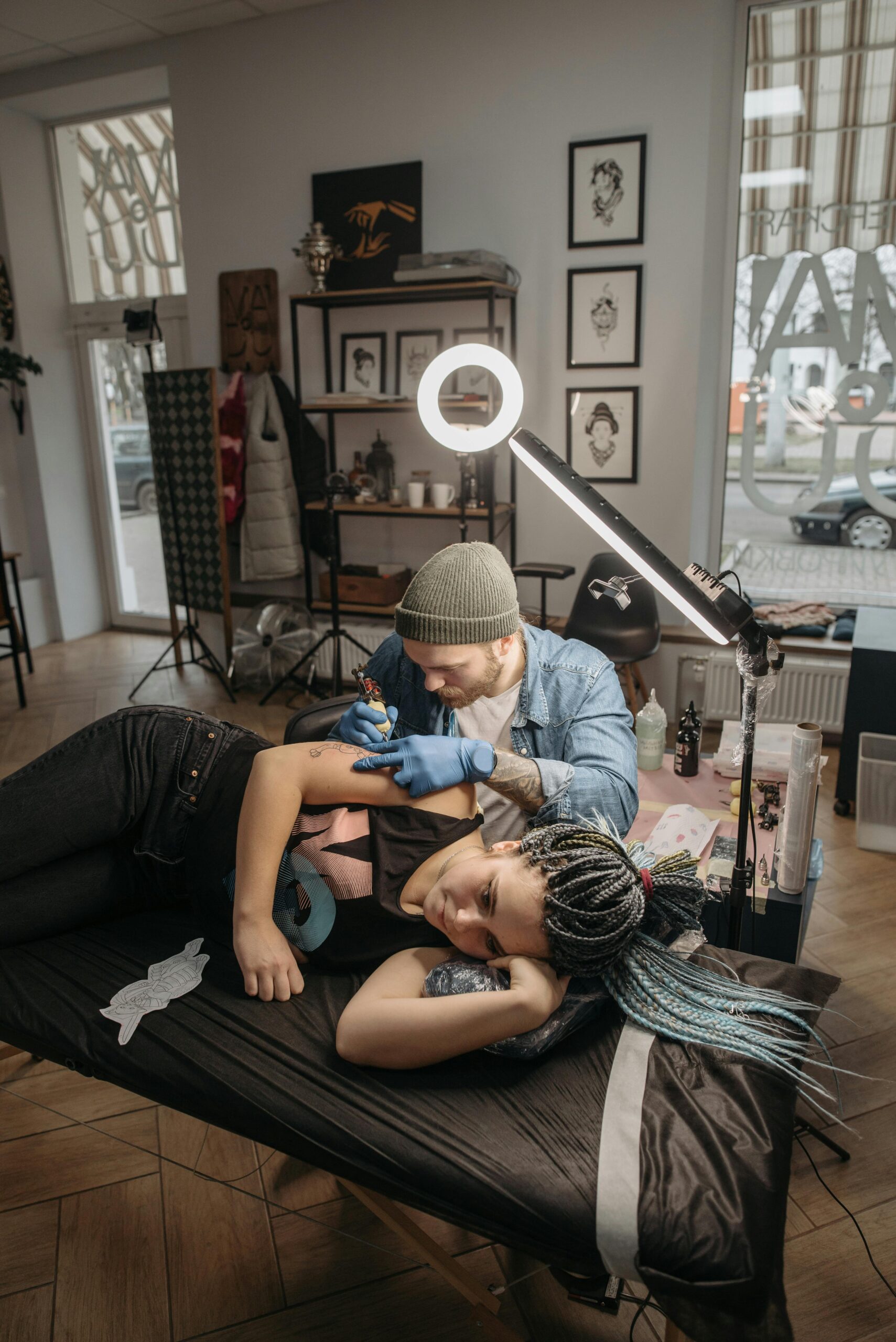
The first five to ten pieces from personal network clients do several things simultaneously: they give you real skin experience, they build your portfolio with real work, and they generate the first social proof (reviews, word of mouth, tagged posts) that your wider client acquisition depends on.
Build a Portfolio That Shows What You Want to Do More Of
Before you actively market yourself, you need a portfolio that represents your specialisation clearly. This seems obvious, but many new artists make the mistake of posting whatever they’ve done rather than what they want to attract.
If you want fine line botanical bookings, your portfolio should be almost exclusively fine line botanical work. If it’s a mixed bag of practice pieces from different styles, a potential client looking for fine line will have a harder time confirming you’re right for them.
At this stage, if your actual client work is limited, use strong synthetic skin pieces and practice work. These aren’t as compelling as healed client work, but they demonstrate your technique and style. Label them clearly as practice pieces — don’t misrepresent them as client work.
Quality over quantity. Five strong pieces communicate more than twenty mediocre ones.
Instagram as Your Primary Marketing Channel
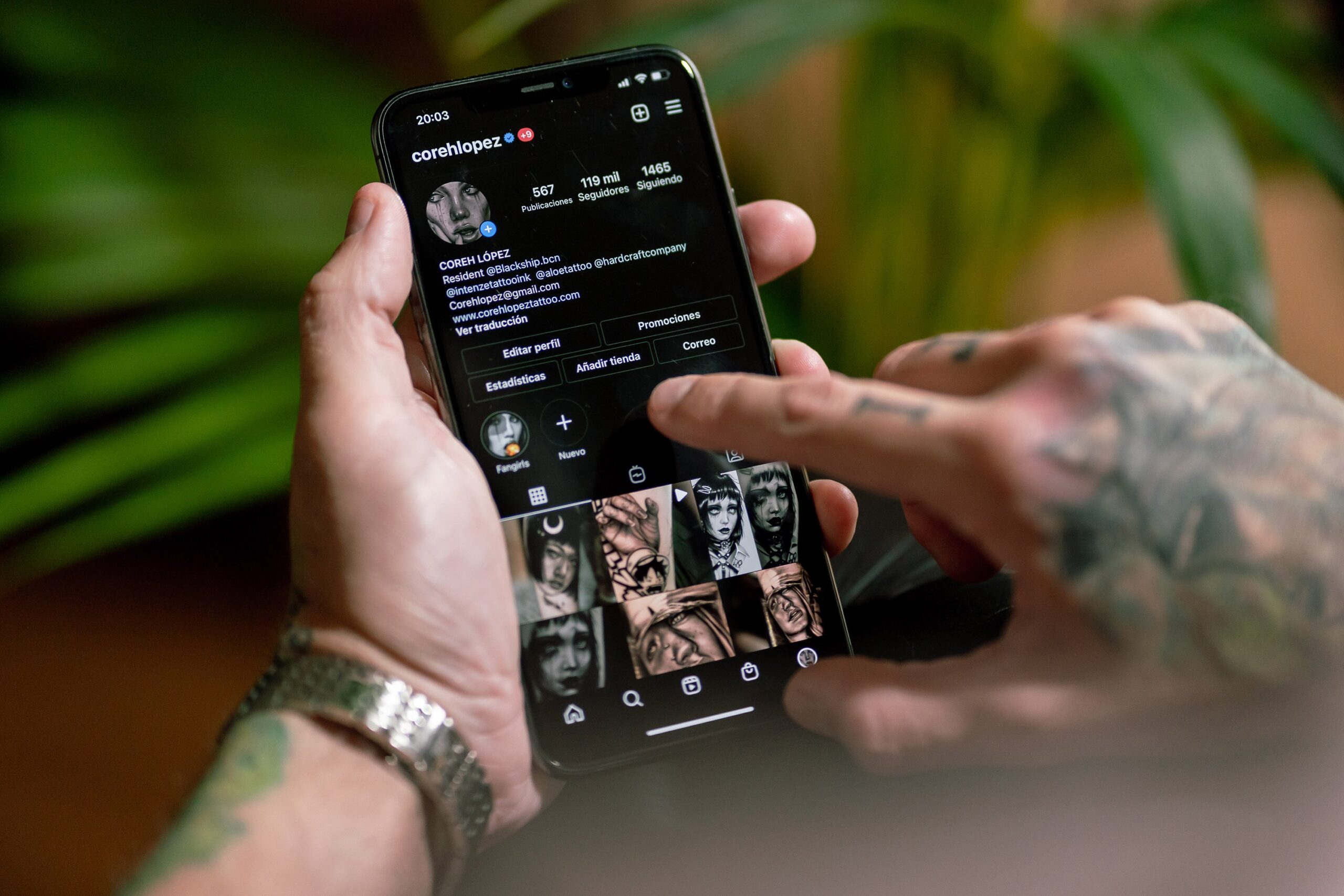
Instagram remains the most effective marketing platform for tattoo artists at every career stage, and it’s particularly powerful for new artists because the barrier to entry is zero.
What works on Instagram for new tattoo artists:
Consistent posting: Three to five posts per week is sustainable and effective. Consistency matters more than frequency — an account that posts reliably every few days is more algorithm-friendly than one that posts ten times one week and nothing for two weeks.
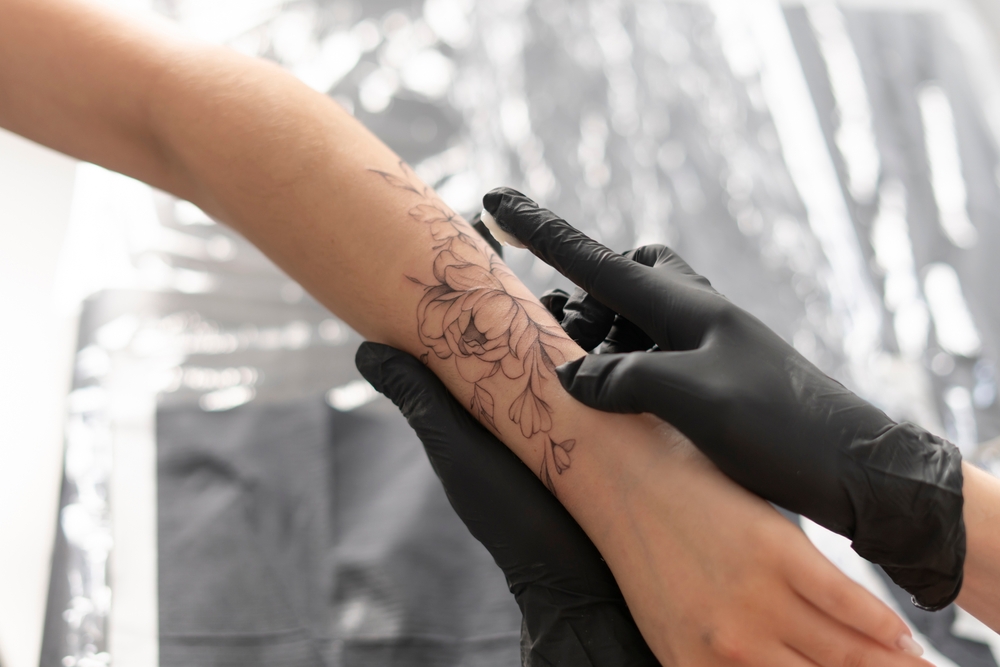
Strong photography: Your work is your product. Invest in learning to photograph tattoos well — correct lighting (soft, even, no harsh shadows), consistent background (plain white or skin-toned wall), sharp focus on the tattooed area. A well-photographed mediocre tattoo often looks better than a poorly photographed excellent one.
Reels and process content: Short video content — time-lapses of your work, needle-to-skin close-ups, before/after reveals — consistently outperforms static posts for reach. Even simple process videos drive significant new follower acquisition.
Local hashtags and location tags: Tag your suburb, city, and relevant local hashtags. Potential clients searching for tattoo artists in their area find your work through location-tagged content.
Google Business Profile: The Overlooked Quick Win
Most new tattoo artists focus entirely on social media and overlook Google Business Profile — a significant missed opportunity. When someone searches ‘tattoo artist [suburb]’ on Google, a Business Profile appears in the map results above organic search results.
Setting up a Google Business Profile is free and takes 30 minutes. It requires a business name, location (your home suburb is fine if you work from home initially), contact details, and photos of your work. Once live, it immediately makes you findable to local clients actively searching for a tattoo artist.
Reviews on your Google profile carry significant weight. Ask every satisfied early client to leave a Google review — even one or two reviews makes your profile stand out from empty competitor profiles.
Introductory Offers and Flash Days
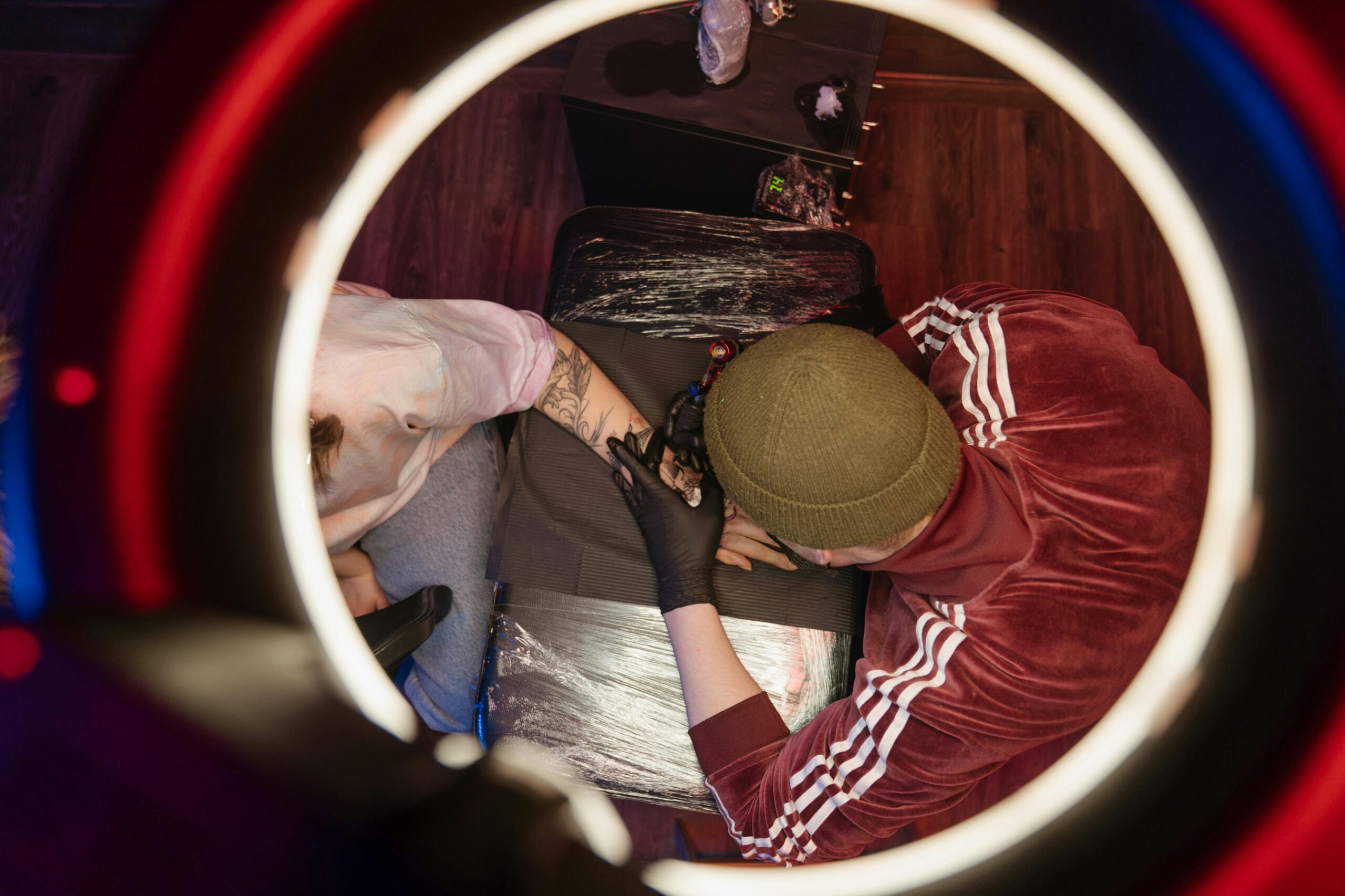
Flash days: A flash day involves offering a set of pre-drawn designs at a fixed price for a single day. They create urgency, generate volume, and typically produce a burst of social media content and word of mouth. Flash days are particularly effective for new artists because they demonstrate your style and attract clients without requiring individual consultations for each booking.
Introductory rates: Offering discounted pricing for your first 10–20 clients is a legitimate and commonly used strategy. Set a clear expiry — ‘introductory rate available until [date]’ — to prevent indefinite discounting.
The goal of these offers isn’t to be cheap — it’s to generate volume, portfolio content, reviews, and word of mouth quickly. Once you have those, you raise your rates to match your positioning.
Asking for Referrals
Word of mouth is the highest-converting acquisition channel in tattooing, and it’s free. After completing a tattoo, a simple, direct ask is all it takes: ‘If you have any friends who might be interested in fine line work, I’d really appreciate a referral. I’m building my books right now.’
Most happy clients are delighted to refer — they just need to be asked. Make it easy by having your Instagram handle and a booking link ready to share.