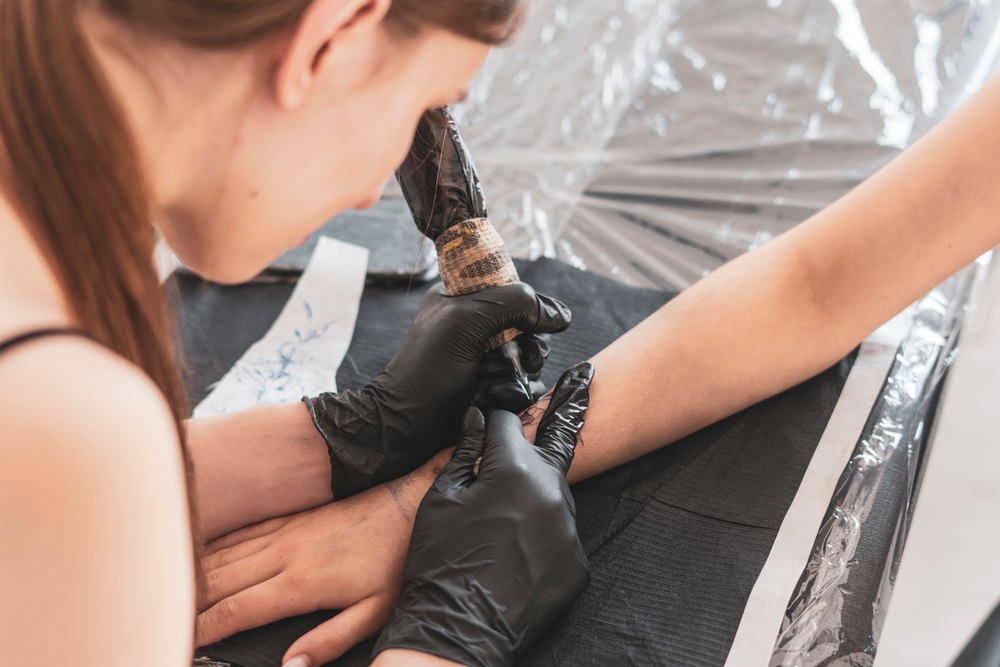
Fine line tattooing is one of the fastest-growing specialisations in the Australian tattoo industry. Delicate, detailed, and in consistent demand, it has attracted a new wave of aspiring artists looking for a creative career that pays well. But how much can you actually earn as a fine line artist in Australia — and does formal training change the numbers?
This guide breaks down realistic salary expectations for fine line tattoo artists at every stage of their career, covering hourly rates, annual income, and the key factors that push your earnings higher.
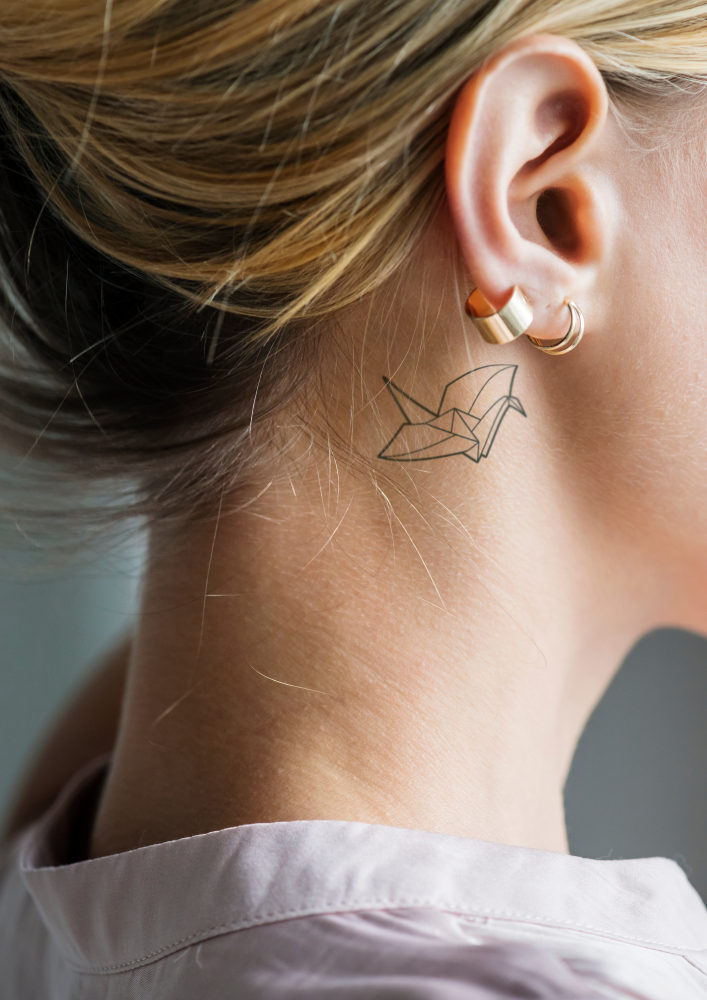
What Does a Fine Line Tattoo Artist Earn in Australia?
Earning potential in tattooing varies considerably based on experience, location, business model, and the strength of your portfolio. That said, here’s a realistic breakdown for fine line artists specifically:
Entry-level (0–2 years): Artists fresh out of training typically charge between $100 and $180 per hour, depending on their market. Working five days a week at full bookings, this translates to an annual income in the range of $40,000 to $65,000. In practice, client-building takes time, so first-year incomes tend to sit toward the lower end.
Mid-level (2–4 years): Once you’ve built a consistent client base and a recognisable fine line aesthetic, rates typically climb to $180–$250 per hour. Annual income in this bracket commonly ranges from $70,000 to $95,000 for full-time working artists.
Senior/specialist (5+ years): Established fine line artists with strong social media followings, waitlists, and a defined niche — botanical, portrait, micro-realism — regularly charge $250–$400+ per hour. Six-figure annual incomes are achievable for artists in this bracket operating independently.
Fine line tattooing sits at the premium end of the tattoo market, which gives its practitioners a structural pricing advantage. Because the technique requires precision and skill, clients actively seek out fine line specialists rather than generalists — and they’re generally willing to pay more for the right artist.
Employed vs Self-Employed: How Your Setup Affects Your Income
How you work matters as much as what you charge. Most Australian tattoo artists operate in one of three arrangements:
Studio employee: Salary or hourly arrangement with a studio. Stable income, lower overhead, but capped earning potential. Typically $45,000–$70,000 depending on hours and commission arrangements.
Booth renter: You rent a chair in a studio and keep your own revenue. More control, but you cover your own consumables and marketing costs. Net income after expenses can range widely — from $55,000 to $100,000+ for high-volume artists.
Independent studio owner: Maximum control and earning ceiling, but also maximum overhead and responsibility. Many established fine line artists move into their own micro-studio once their waitlist justifies it.
The move from employed to independent is a natural career progression as your fine line specialisation matures. A strong training foundation and business skill set — ideally acquired as part of your initial course — is what makes that transition viable.
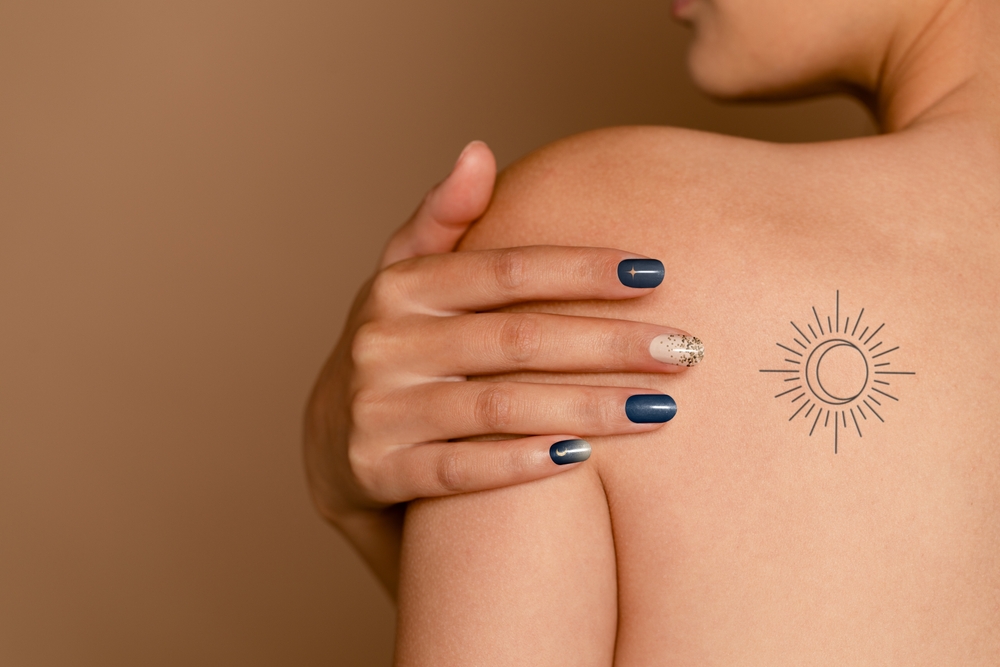
Fine Line vs Other Styles: Does Specialisation Pay More?
One of the most common questions from aspiring artists is whether to train broadly or specialise from day one. From a pure income perspective, specialisation in fine line has several advantages:
Higher average hourly rates: Fine line commands a premium because it’s technically demanding and the client base is quality-conscious and less price-sensitive than the general market.
Stronger repeat booking rates: Fine line clients often return for additions, extensions, and cover-ups. Sleeve journeys built in fine line style generate long-term revenue from single clients.
Social media-friendly output: Fine line work photographs exceptionally well, which drives organic portfolio visibility on Instagram and TikTok — free marketing that compounds over time.
Of course, income potential is only realised if the technique is executed well. Fine line is unforgiving — blurring, poor line consistency, and incorrect needle depth are visible to clients and damage your reputation. Proper training under experienced instructors is the difference between a portfolio that attracts premium clients and one that doesn’t.
Location, Location, Location
Market rates differ significantly across Australia. Metropolitan areas — particularly Sydney, Melbourne, and Brisbane — support the highest hourly rates because:
• Client density is higher, reducing the time between bookings • The client demographic skews toward higher disposable income • Social media reach is amplified in dense urban environments • Premium studio rents are offset by premium rates
Regional artists can still build highly profitable fine line practices, particularly in tourism-heavy areas or cities with strong arts communities (Byron Bay and Hobart are good examples). The trade-off is typically a smaller initial client base that requires more proactive marketing.
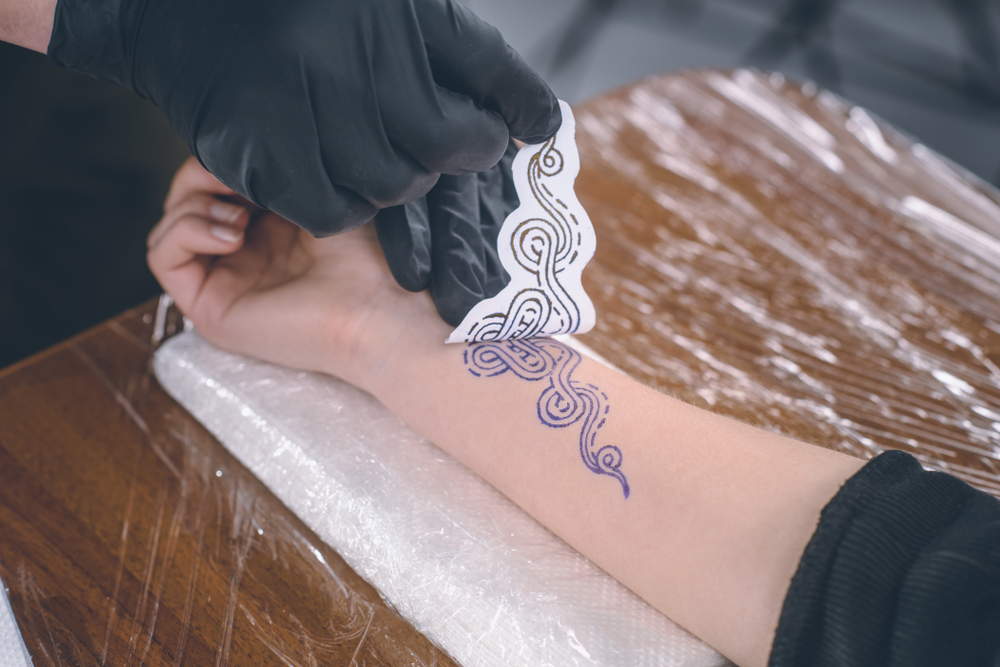
How Training Shapes Your Earning Potential
Artists who enter the industry with formal training consistently report faster progress to profitable rates than those who self-teach or apprentice informally. The reasons are practical:
Structured training compresses the learning curve. Instead of years of trial and error, you learn correct technique, needle selection, machine settings, and skin interaction from instructors who’ve already made the mistakes. This means you’re charging appropriate rates sooner.
Formal training also builds confidence in your consultation process. Artists who can explain their technique, anticipate healing outcomes, and educate clients on aftercare command more trust — and more repeat business.
Building Income Beyond the Chair
Many established fine line artists diversify their income over time, which further increases total earnings:
Flash sales and pre-drawn designs: Selling flash sheets — pre-designed tattoos available at a fixed price — is a high-volume way to fill gaps in the booking calendar.
Online mentoring: Artists with 3+ years of fine line experience increasingly offer paid mentoring to students, particularly in niche sub-styles like botanical fine line or fine line portraiture.
Art print and merchandise sales: Fine line designs translate beautifully to prints, greeting cards, and apparel — an additional revenue stream that doesn’t require studio time.
The earning ceiling for a fine line specialist is genuinely high in Australia’s current market. A strong foundation — built through the right training and refined through deliberate practice — is what separates artists who hit that ceiling from those who plateau early.