Deciding to pursue tattoo artist training represents an exciting commitment, but understanding exactly what professional programmes teach helps you evaluate training quality and set realistic expectations. Comprehensive tattoo education extends far beyond simply learning to operate tattoo machines, encompassing artistic development, technical mastery, hygiene protocols, client management, business skills, and ongoing professional development that separate true professionals from amateurs who merely know how to push needles into skin.
Quality tattoo artist training transforms complete beginners into competent practitioners ready for professional practice or provides experienced artists with structured knowledge filling gaps left by informal learning. The difference between exceptional and mediocre programmes often lies in curriculum comprehensiveness, with excellent training addressing all aspects of professional tattooing whilst inadequate courses focus narrowly on basic technique without context, theory, or professional skills essential for sustainable careers.
Foundational Knowledge: Skin Science and Anatomy
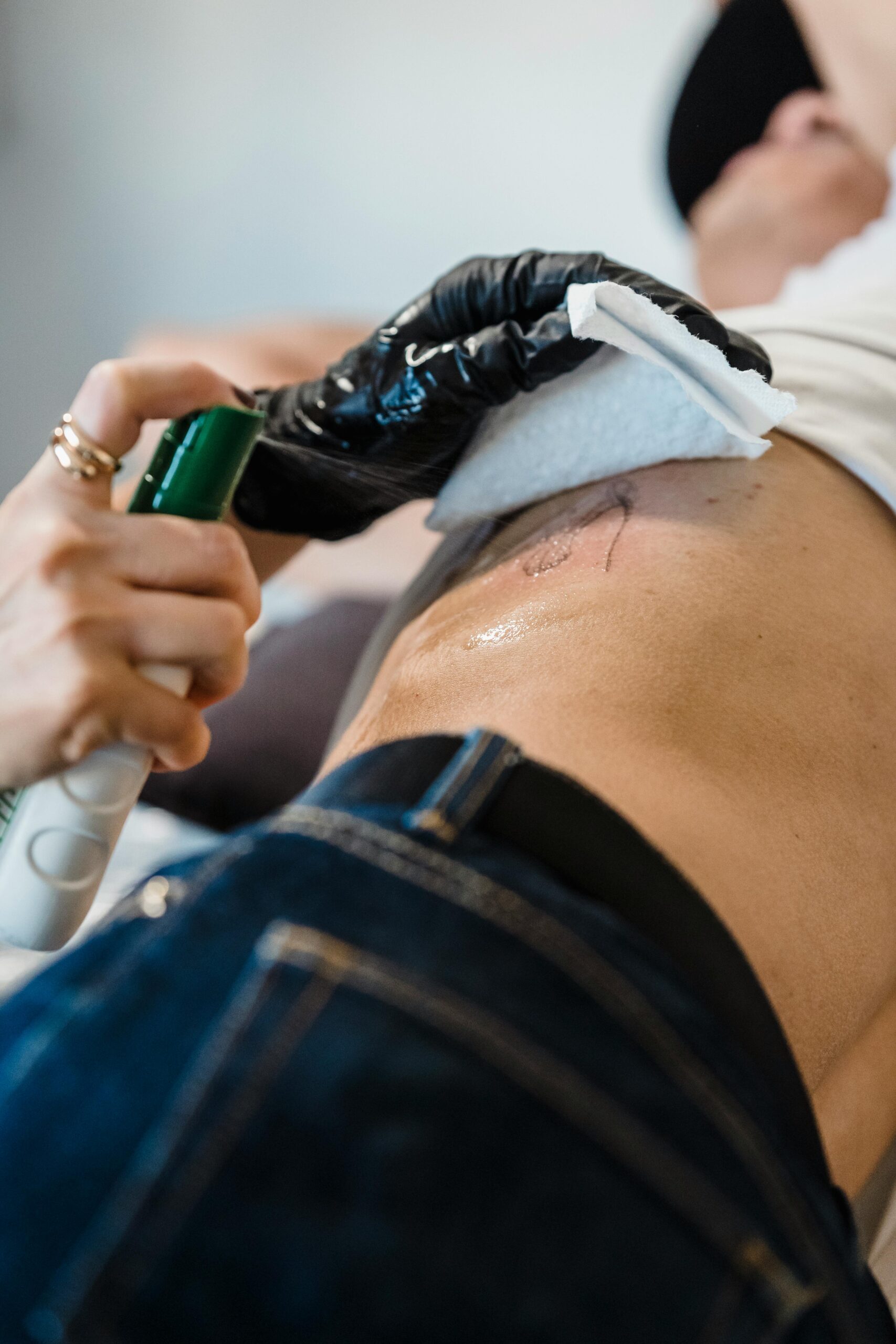
Professional tattoo training begins with understanding the largest organ you’ll work with throughout your career: human skin. Comprehensive skin science education covers dermal structure, healing processes, and how tattooing interacts with living tissue at cellular and systemic levels.
Epidermis, dermis, and subcutaneous layer distinctions form essential knowledge. Understanding that permanent tattoos require ink placement in the dermis whilst avoiding the epidermis that sheds constantly and the deeper subcutaneous layer where ink disperses informs proper needle depth control. This anatomical foundation prevents common beginner errors like tattooing too shallow causing fading or too deep causing blowouts and scarring.
Skin healing processes from initial wound response through long-term colour settling influence technique choices, aftercare recommendations, and realistic client expectations. Professional training teaches the inflammatory response, proliferation phase, and remodelling period that all affect how tattoos heal and age. This knowledge allows you to explain healing timelines to clients whilst recognising abnormal healing requiring medical attention.
Skin type variations across ethnicity, age, and body location affect tattooing approach and outcome expectations. Training covers how different skin tones influence colour choices and visibility, how skin thickness varies by body area affecting technique requirements, and how factors like scarring, stretch marks, and skin conditions impact tattooing feasibility and results.
Contraindications and risk factors including diabetes, blood disorders, immunocompromise, and medication effects receive thorough coverage. Professional training teaches when tattooing is medically inadvisable, what client disclosures require veterinarian consultation, and how to protect both client health and your professional liability through appropriate screening and informed consent processes.
Anatomical knowledge beyond skin includes understanding muscle groups, bone structures, and nerve pathways that affect body contour, pain levels, and placement considerations. This anatomical awareness informs design placement decisions, helps you anticipate which areas clients will find most painful, and prevents inadvertent nerve damage from inappropriate technique or equipment use.
Technical Foundations: Equipment Mastery
Tattoo equipment comprehension forms another fundamental pillar of professional training. Modern tattooing involves sophisticated technology requiring deep understanding beyond simply “it’s a needle that goes in and out.”
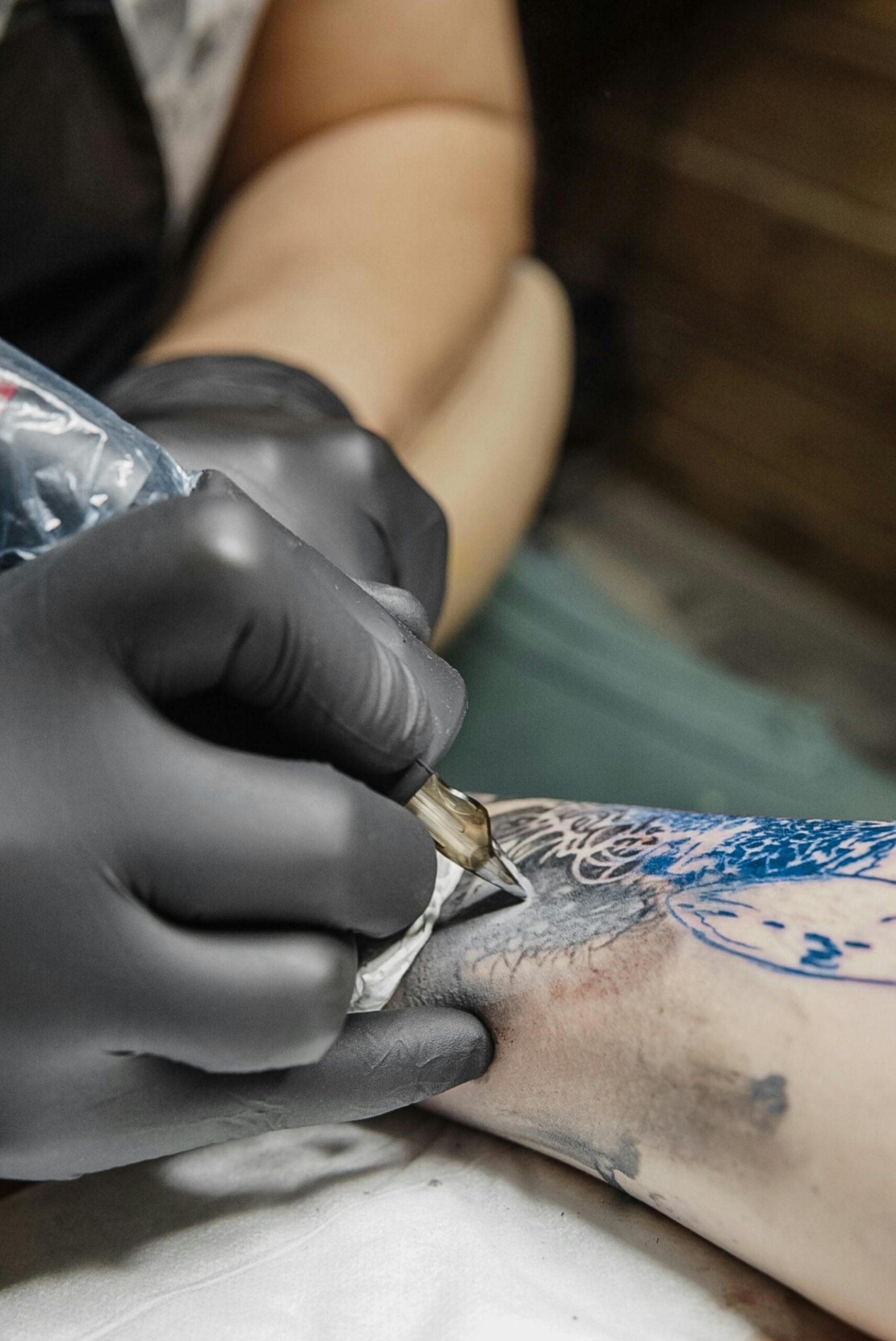
Tattoo machine types from traditional coil machines to modern rotary and cartridge systems each have distinct characteristics, applications, and operation requirements. Professional training covers how different machine types work mechanically, what situations suit each type, and how to select, maintain, and troubleshoot various equipment configurations.
Needle configurations represent complex technical knowledge with profound impact on tattooing outcomes. Training teaches needle types from round liners to magnum shaders, needle counts from single needles to groupings of twenty or more, and needle tapers from tight for crisp lines to loose for smooth shading. Understanding these variables allows you to match needle selection to specific techniques and desired aesthetic outcomes.
Power supply operation, voltage settings, and their interaction with machine types and needle configurations affect line quality, colour saturation, and skin trauma. Professional education teaches how to dial in equipment settings for different applications rather than using arbitrary numbers without understanding their effects on tattooing results.
Grip styles, tube types, and their ergonomic implications influence both tattooing quality and practitioner comfort during extended sessions. Training covers different grip options, how they affect hand positioning and control, and selecting configurations that optimise your technique whilst minimising strain causing career-ending injuries from repetitive motion.
Hygiene and sterilisation protocols for equipment form critical knowledge given bloodborne pathogen risks. Professional training covers autoclave operation, chemical sterilants, single-use versus reusable equipment decisions, and systematic contamination prevention that protects both you and clients from disease transmission risks inherent to skin-penetration procedures.
Equipment troubleshooting skills allow you to identify and correct common machine problems from weak hits to inconsistent needle cycling. Rather than relying on technical support for every minor issue, professional training develops your capability to diagnose problems and implement solutions maintaining workflow continuity during sessions.

Artistic Fundamentals: Design and Composition
Whilst some students enter tattoo training with extensive artistic backgrounds, comprehensive programmes don’t assume existing artistic mastery and instead develop fundamental skills ensuring all graduates achieve professional design capabilities.
Drawing skills from basic shapes through complex compositions receive attention appropriate to student starting points. Training typically covers proportion, perspective, shading techniques, and stylistic approaches that translate to tattoo design. Even naturally talented artists benefit from structured artistic education strengthening foundations and filling knowledge gaps informal art practice may have missed.
Composition principles specific to tattooing differ from conventional artistic composition since tattoos must flow with body contours and remain legible as static designs without animated elements or changing viewing angles that benefit other art forms. Professional training teaches how to design tattoos that complement natural body shapes, create visual flow, and maintain compositional integrity despite body movement and aging’s inevitable effects.
Stencil creation and transfer techniques bridge designed artwork and actual tattooing. Training covers creating stencils from drawings, transferring them accurately to skin whilst accounting for body curves and client positioning, and adapting stencils during placement to optimise final positioning. These practical skills seem simple but require practice achieving consistent quality.
Custom design development from client concepts through finished artwork forms essential professional capabilities. Training teaches client consultation techniques eliciting design preferences, developing design options that balance client wishes with technical feasibility and artistic quality, and presenting concepts securing client approval whilst maintaining artistic integrity.
Design adaptation for different tattoo styles from fine line through traditional to realism requires understanding stylistic conventions, technical requirements, and aesthetic principles unique to each approach. Comprehensive training exposes students to multiple styles rather than focusing exclusively on single approaches, developing versatility valuable throughout careers.
Reference gathering, modification, and synthesis skills allow creating original designs that respect copyright whilst drawing inspiration from existing work. Training covers ethical image use, copyright basics, and how to develop distinctive personal style that sets your work apart whilst remaining commercially viable and technically sound.
Infection Control and Safety Protocols
Health and safety education forms non-negotiable components of professional tattoo training given serious risks from inadequate hygiene. Australian regulatory requirements mandate specific infection control qualifications, but comprehensive training integrates safety throughout curriculum rather than treating it as isolated compliance exercise.
Bloodborne pathogen knowledge including HIV, Hepatitis B, and Hepatitis C transmission mechanisms, exposure risks, and prevention protocols informs every aspect of professional practice. Training covers universal precautions treating all blood and body fluids as potentially infectious, preventing disease transmission through systematic protocols rather than hoping chance prevents exposure.
Sterilisation and disinfection procedures for equipment, work surfaces, and tattooing environments create layered defence against contamination. Professional education distinguishes sterilisation destroying all microorganisms from disinfection reducing pathogen levels, teaches appropriate applications for each, and develops systematic habits maintaining sterile fields throughout procedures.
Personal protective equipment use including gloves, barriers, and appropriate clothing prevents pathogen exposure whilst maintaining professional appearance. Training covers proper glove selection and changing protocols, barrier placement for equipment and surfaces, and how to maintain sterile technique during sessions despite inevitable complications and interruptions.
Sharps handling and disposal procedures prevent accidental needlestick injuries carrying significant disease transmission risks. Professional training emphasises never recapping needles, using appropriate sharps containers, and systematic disposal protocols that protect you, coworkers, clients, and waste handlers from dangerous equipment.
Cross-contamination prevention through systematic workflow organisation and contamination awareness forms essential professional habits. Training teaches how to structure workspace separating clean and contaminated areas, when to change gloves, and maintaining contamination consciousness throughout sessions preventing careless actions that compromise safety.
Emergency response procedures for fainting, allergic reactions, seizures, and other medical emergencies that occasionally occur during tattooing prepare you for crisis situations. Professional training covers basic first aid, when to seek emergency medical assistance, and documentation requirements protecting you legally whilst ensuring client safety when unexpected medical situations arise.

Tattooing Techniques: From Lines to Shading
Technical tattooing skills form the obvious core of tattoo artist training, with comprehensive programmes systematically developing capabilities from basic line work through advanced shading and colour blending techniques.
Line work fundamentals including consistent pressure, smooth motion, and proper hand positioning create the foundation for all tattooing. Training emphasises developing consistent lines of uniform thickness and saturation, controlling line weight variation deliberately rather than accidentally, and achieving smooth curves without hesitation marks or shakiness that marks amateur work.
Needle angle and skin stretching techniques affect line quality and healing outcomes dramatically. Professional training teaches optimal needle angles for different body areas and skin conditions, proper skin stretching creating ideal tattooing surfaces, and how equipment choices interact with these technical fundamentals producing desired results.
Shading techniques from solid colour packing through gradient transitions to complex blending separate mediocre tattoos from exceptional work. Training covers building smooth gradients, creating dimensional effects through shading, and blending multiple colours seamlessly rather than producing muddy or patchy results that mark inadequate technique.
Colour theory application specific to tattooing accounts for how pigments heal in skin, how undertones affect apparent colour, and how different skin tones influence colour visibility and vibrancy. Professional education teaches colour selection producing desired effects rather than relying on trial-and-error learning that wastes expensive pigments whilst producing unsatisfying results.
White highlighting and colour layering techniques create depth and dimension that elevate tattoos beyond flat, lifeless images. Training covers when and how to incorporate highlights effectively, layering colours for complex effects, and understanding limitations of different techniques preventing unrealistic client expectations about what’s technically achievable.
Cover-up and correction techniques address existing tattoos requiring modification or concealment. Professional training teaches evaluating cover-up feasibility, designing appropriate coverage, and technical approaches maximising concealment whilst maintaining artistic quality despite challenging starting conditions.
Client Management and Professional Practice
Technical tattooing skills mean nothing without professional capabilities managing client relationships, setting appropriate expectations, and conducting business that sustains long-term careers.
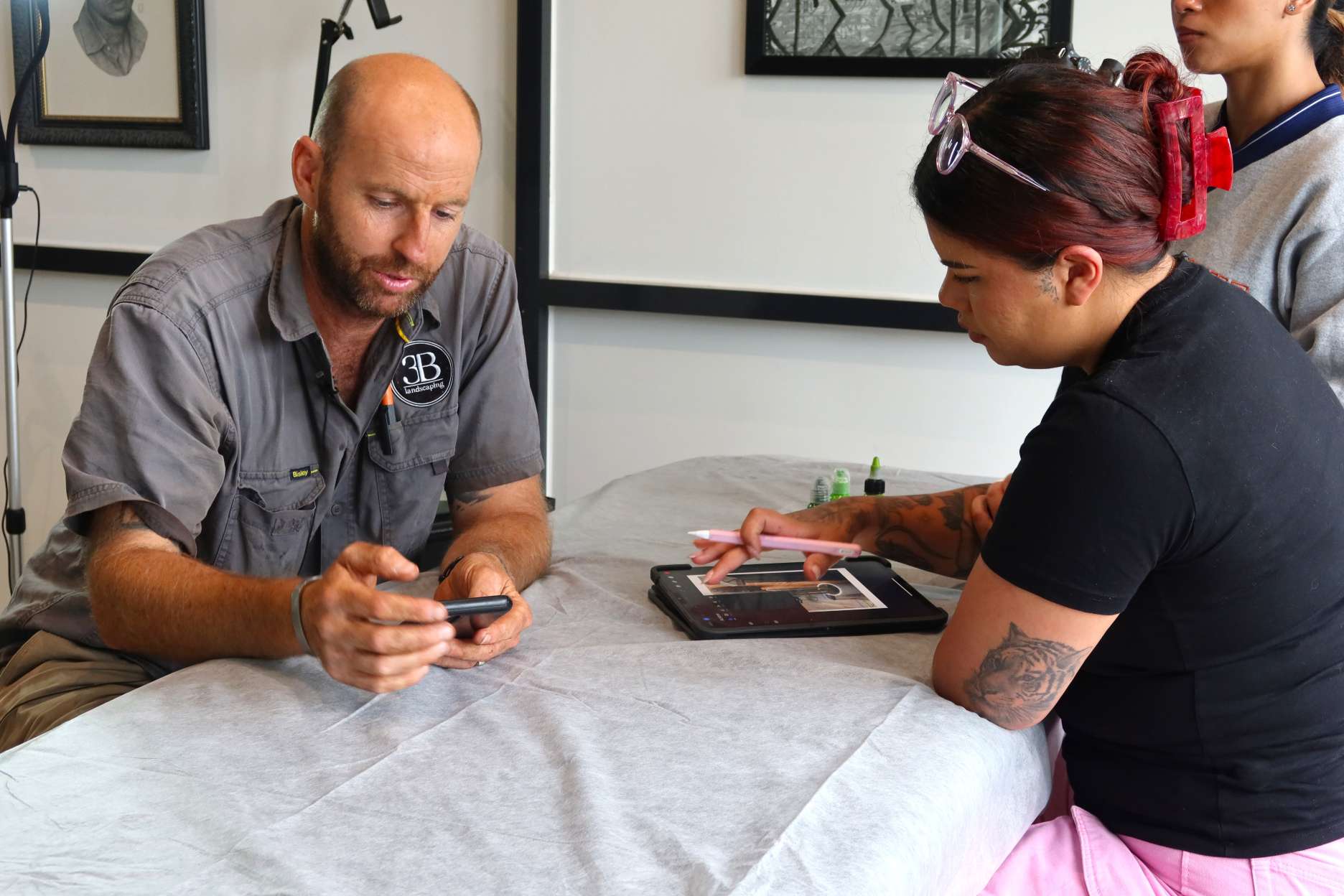
Consultation skills from initial contact through design approval determine client satisfaction and business success. Training covers active listening techniques, expectation management, appropriate boundary setting, and how to guide clients toward designs you can execute excellently rather than accepting requests beyond your capabilities or aesthetic standards.
Client screening and contraindication assessment protects both client health and your professional liability. Professional training teaches systematic intake procedures identifying medical, psychological, or situational factors that make tattooing inappropriate or require modification to standard protocols.
Pricing strategies balancing affordability, market rates, and proper valuation of skills and time determine business sustainability. Training typically covers pricing models from hourly rates to project-based fees, how to calculate costs ensuring profitability, and communicating pricing confidently without apology or negotiation that undermines professional positioning.
Aftercare instruction and client education ensure proper healing and set realistic expectations about healing timelines, colour settling, and touch-up requirements. Professional training develops systematic aftercare communication protecting both tattoo quality and your reputation through proper client education.
Portfolio development strategies showcase your capabilities whilst attracting ideal clients. Training covers portfolio photography, curation selecting work that represents your capabilities accurately, and using portfolios effectively in client acquisition and studio applications.
Professional boundaries around client relationships, social media interactions, and personal availability protect both your wellbeing and professional reputation. Training addresses common boundary violations, how to maintain appropriate professional distance despite industry informality, and managing difficult client situations professionally.
Business Fundamentals for Tattoo Artists
Many technically skilled artists struggle financially through inadequate business knowledge. Comprehensive training addresses commercial realities that determine whether tattooing generates sustainable income or remains expensive hobbies.
Business structure options from sole traders through companies affect taxation, liability, and operational complexity. Training typically introduces these structures helping you make informed decisions about initial business setup whilst understanding when and how to transition structures as practices grow and evolve.
Financial management including pricing, expenses, taxation, and superannuation prevents common financial failures that end promising tattoo careers. Professional education teaches record-keeping systems, tax obligation management, and financial planning ensuring tattooing generates genuine income rather than creating illusions of success whilst actually losing money through poor financial management.
Marketing and client acquisition strategies from social media through word-of-mouth to paid advertising determine client flow sustainability. Training covers modern marketing approaches emphasising Instagram and other visual platforms whilst addressing traditional marketing methods that remain valuable for certain markets and demographics.
Studio setup considerations from home studios through renting chairs to opening independent shops require understanding regulations, insurance, equipment investment, and operational logistics. Professional training provides frameworks for making appropriate decisions at various career stages rather than attempting ambitious setups prematurely or remaining unnecessarily constrained through inadequate planning.
Professional insurance including public liability and professional indemnity protects against financial devastation from accidents, injuries, or dissatisfied clients. Training emphasises insurance necessity despite costs, appropriate coverage levels, and how insurance supports professional credibility with both clients and landlords.
Ongoing Professional Development
Professional tattoo training doesn’t end at course completion. Excellent programmes instil commitment to continuous learning and professional growth throughout careers.
Industry trend awareness keeps your work contemporary and commercially viable rather than becoming dated through failure to evolve with changing aesthetics and client expectations. Training teaches resources for staying current on trends, how to evaluate trends critically rather than blindly following fashions, and balancing trend awareness with personal style development.
Skill refinement through deliberate practice, advanced workshops, and technique experimentation prevents stagnation that occurs when practitioners stop actively developing capabilities. Professional education emphasises that completion isn’t mastery but rather foundation for ongoing improvement throughout careers.
Professional network development through industry associations, conferences, and peer relationships provides ongoing support, learning opportunities, and business connections valuable throughout careers. Training often facilitates initial network building whilst teaching you to maintain and expand professional communities independently.
Business skill advancement through continuing education, mentorship, and business resources ensures commercial capabilities keep pace with technical skill development. Professional training introduces business fundamentals whilst emphasising that ongoing business education determines whether strong technical skills translate into financial success.
Begin Your Comprehensive Tattoo Training
Understanding what professional tattoo artist training actually teaches reveals the extensive knowledge and diverse skills required for sustainable tattooing careers. Comprehensive education transforms passionate beginners into competent professionals ready for the complex realities of modern tattooing.
Omnia Tattoo Academy delivers complete tattoo education covering all aspects outlined here and more. Our curriculum, designed by industry-leading professional artists, develops both technical mastery and professional capabilities that separate true professionals from amateurs with equipment.
Our 100% online, self-paced delivery with 12-month access allows comprehensive learning around your schedule. Professional equipment provision ensures you train with appropriate tools from the start. Expert tutor support provides personalised feedback accelerating your development. With payment plans from just $40 per week, complete professional training becomes accessible regardless of current financial circumstances.
Ready to begin comprehensive tattoo education? Explore our fine line technique training, discover what to expect from professional programmes, and learn from graduates who transformed from complete beginners into working professionals. Your journey to comprehensive professional competency starts today.