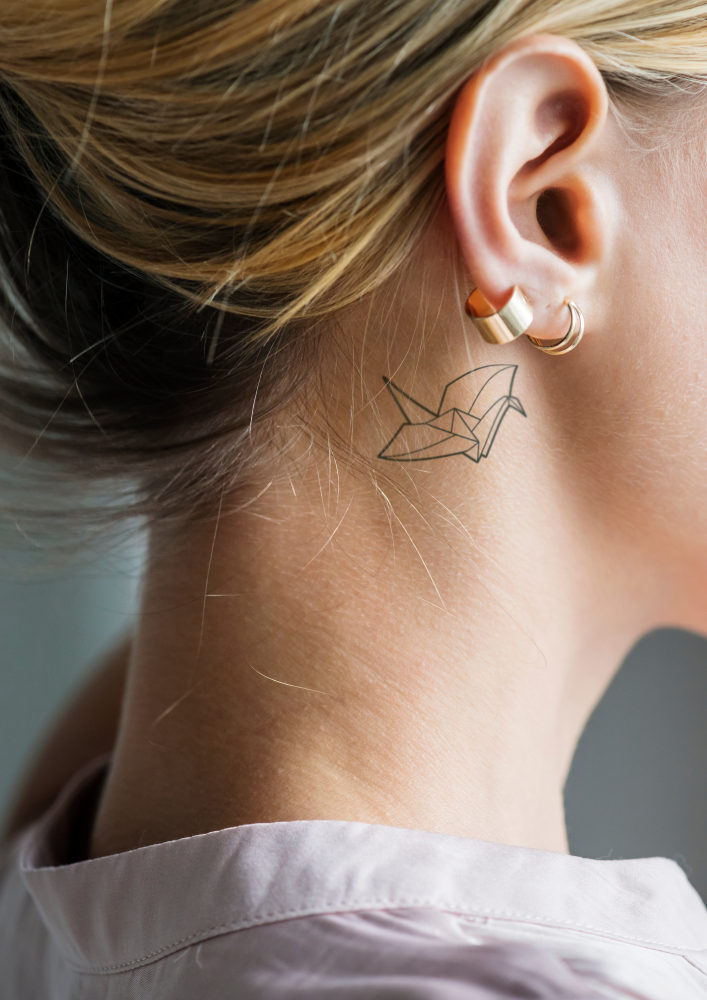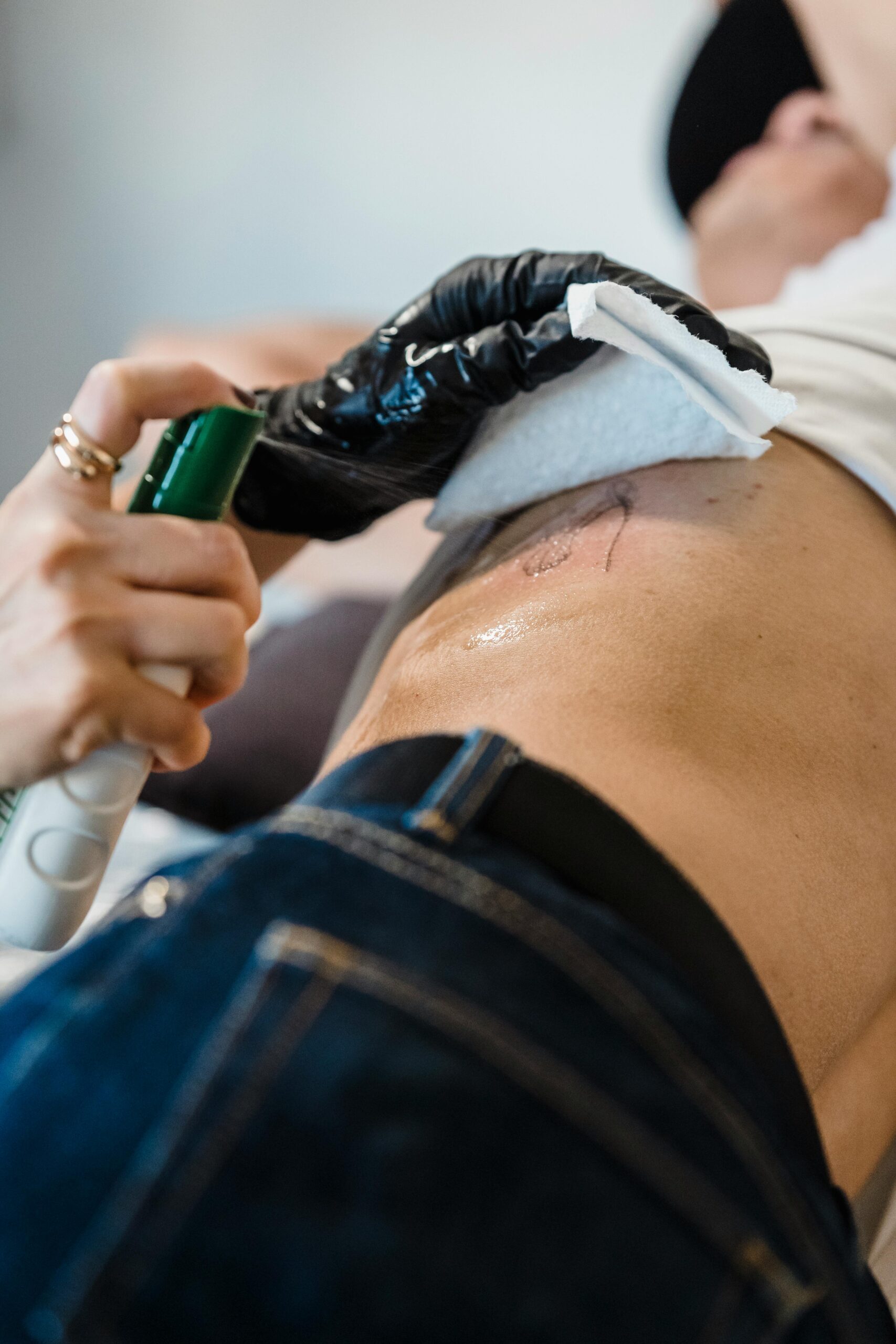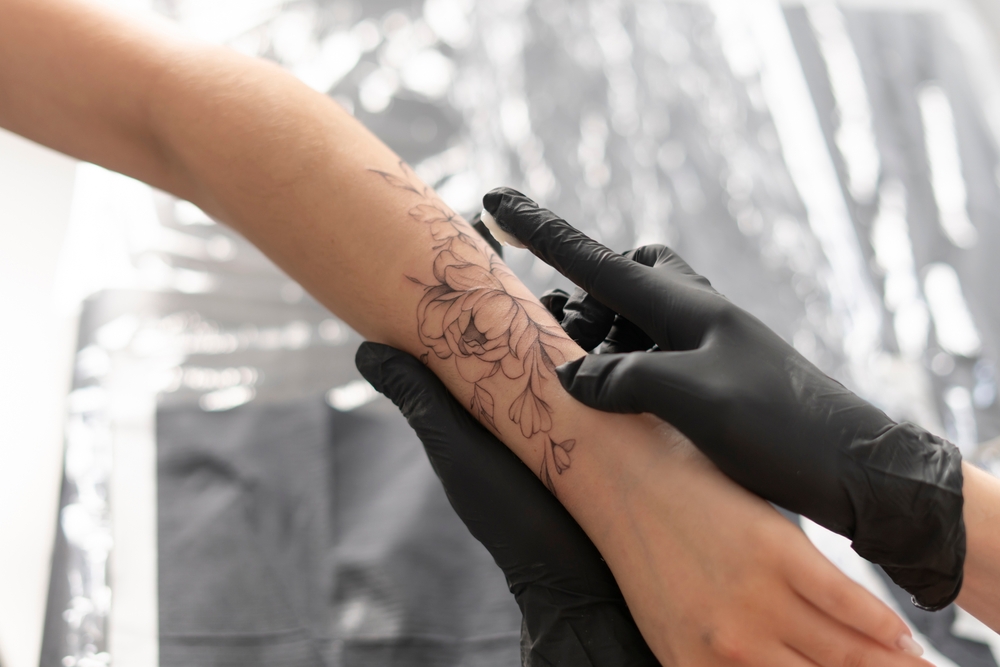
Fine line tattooing is a style that rewards precision — and that precision is tested not just during the session, but in the weeks that follow. Fine line tattoos heal differently from bold work, and artists who don’t understand this distinction will find their work fading, blurring, or failing to hold in ways that damage their reputation.
This guide covers the healing science behind fine line work, what correct healing should look like, common problems and their causes, and how to set your clients up for the best possible outcome.
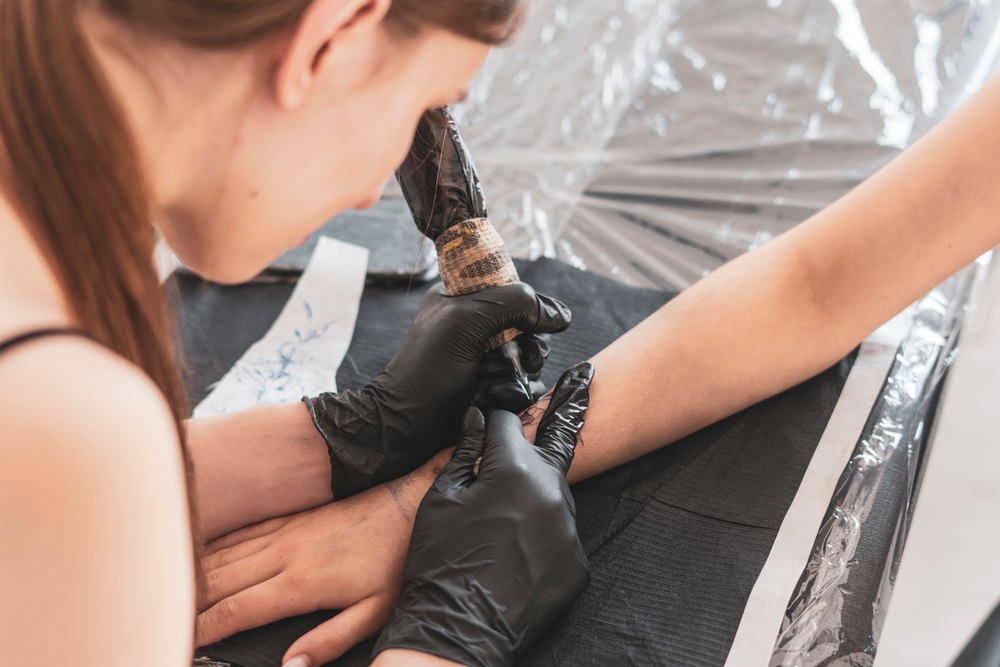
Why Fine Line Healing Is Different
The fundamental difference between fine line and bold tattooing is ink volume. Traditional tattooing packs significant amounts of ink into the dermis across broad areas — there’s redundancy built into the process. If some ink migrates or is lost during healing, what remains is still visually solid.
Fine line work deposits far smaller amounts of ink in very precise locations. Single-needle work in particular has little margin for loss — if the client’s skin response, aftercare, or the artist’s technique causes excess ink loss during healing, the result is a faded, patchy, or inconsistent tattoo.
This is why fine line artists must understand healing deeply — not as an afterthought, but as an integral part of their technical practice.
The Healing Stages and What to Expect
Week 1 — Inflammation and weeping: The tattooed area will be red, slightly swollen, and will produce a plasma/ink mix for the first 24–48 hours. This is normal. The skin is responding to penetration, and excess ink and plasma are being pushed to the surface. Clients may be alarmed by how much colour appears in the wrap or on the sheet. Reassure them this is expected.
Days 3–7 — Peeling: As the outer skin layer heals, peeling begins. For fine line work, this is a particularly critical phase — clients must not pick or scratch at peeling skin. Peeling that is forced removes ink prematurely and creates uneven healed results. Fine line tattoos are especially vulnerable to this because the ink deposit is thin enough that mechanical removal during peeling is a real risk.
Weeks 2–4 — Settling and the ‘milky’ phase: The tattoo will appear cloudy or less sharp as a new layer of skin grows over the ink. This is normal and temporary. Many clients panic at this stage thinking the tattoo is ruined. Prepare them for this in advance — it resolves completely once the new skin layer clears.
Month 1–3 — True healed result: The tattoo’s actual healed appearance settles over the first 4–12 weeks. Line sharpness, colour density, and overall appearance will look different from the fresh tattoo and different again from the mid-healing milky phase. The final result is best assessed after 8–12 weeks.
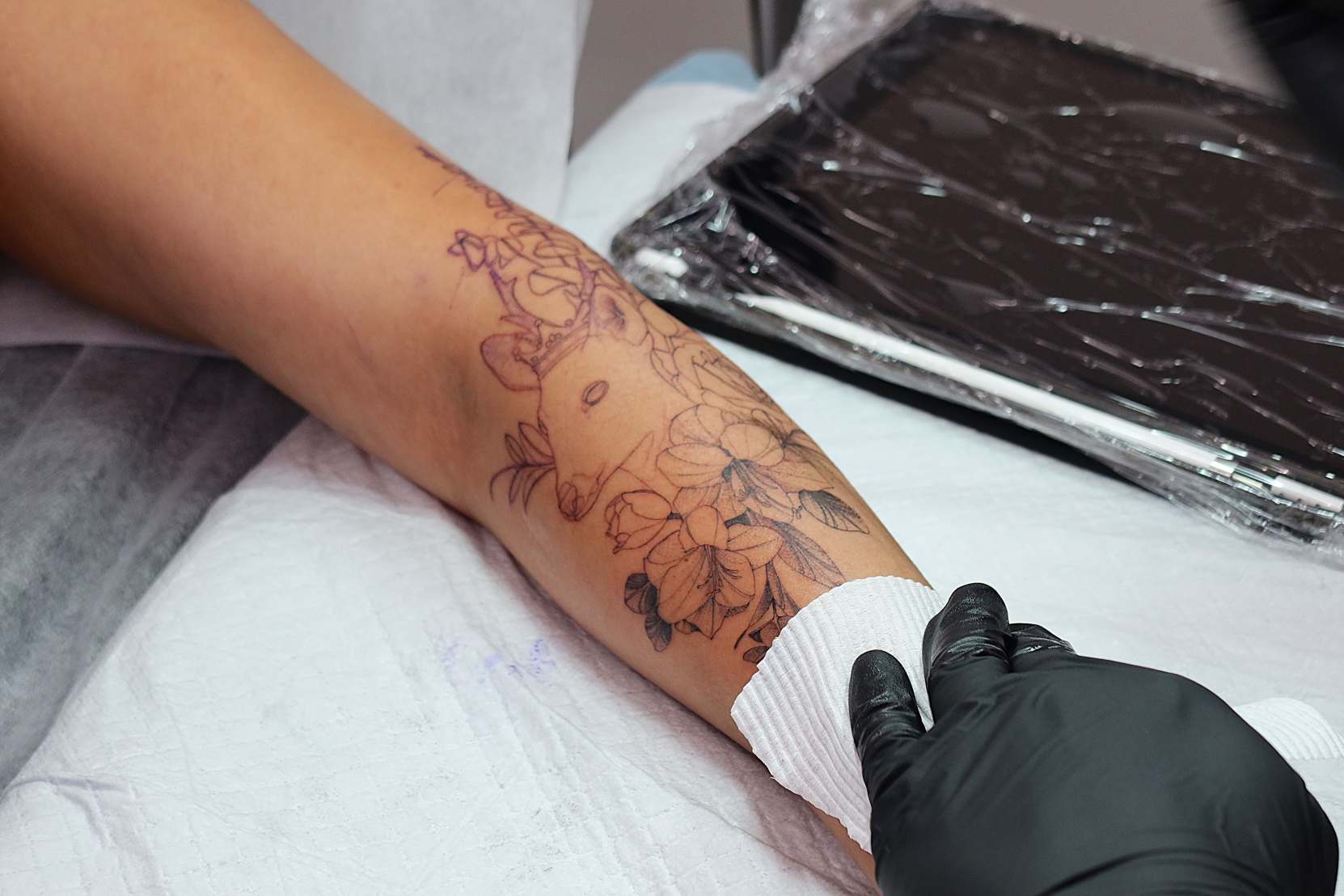
Common Fine Line Healing Problems and Their Causes
Fading and ink loss: The most common complaint with fine line work. Causes include: ink placed too shallow (in the epidermis rather than dermis — ink there will be shed as skin renews); too many passes over the same area (oversaturation causes ink to disperse and bleed); and poor aftercare resulting in premature peeling or excessive drying.
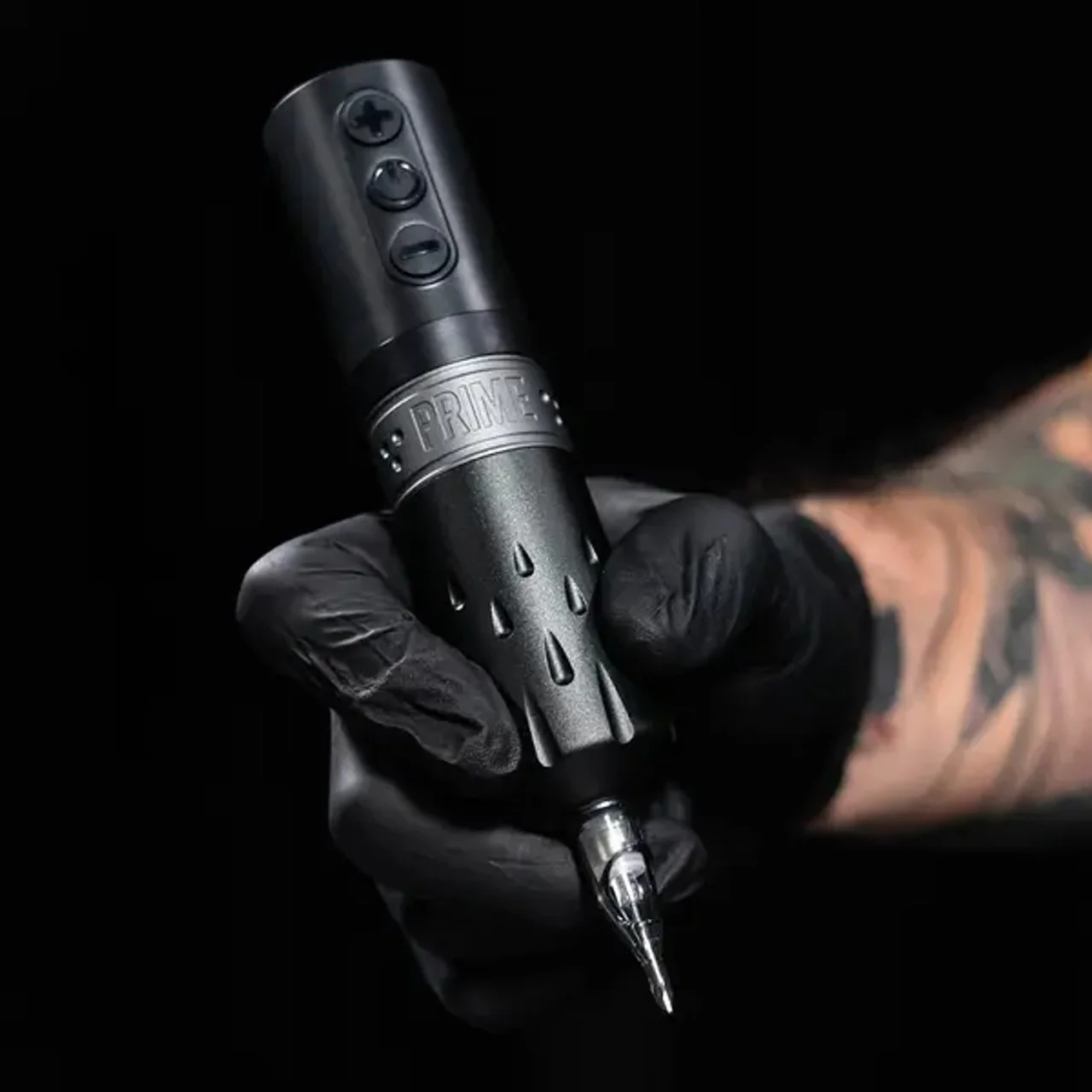
Blowouts: A blowout occurs when ink is pushed too deep, into the hypodermis, where it spreads and creates a blurred shadow. In fine line work, blowouts are particularly damaging because the style relies on crisp edges. Causes include incorrect needle depth, excessive machine speed, or working too aggressively over bony areas where skin is thin.
Patchiness: Uneven ink density in healed work usually indicates inconsistent technique during the session — varying depth or speed producing different ink saturation in adjacent areas — or uneven aftercare (dry patches heal differently from moisturised patches).
Aftercare Instructions That Protect Fine Line Work
Your aftercare guidance is an extension of your technical work. The best-executed fine line tattoo can heal poorly if the client doesn’t follow appropriate aftercare. Your instructions should cover:
• Keep the initial wrap on for 2–4 hours (or as directed for second-skin film) • Wash gently with fragrance-free soap and lukewarm water • Pat dry — never rub • Apply a thin layer of fragrance-free moisturiser (tattoo balm, Bepanthen, or a plain unscented lotion) • No swimming, soaking, or excessive sweating for 2–4 weeks • No direct sun exposure on the healing tattoo • Do not pick, scratch, or peel
The instruction to ‘apply a thin layer’ matters for fine line specifically. Heavy moisturisation can saturate the skin and affect ink retention during healing. Thin and regular is the correct approach.
When to Offer a Touch-Up
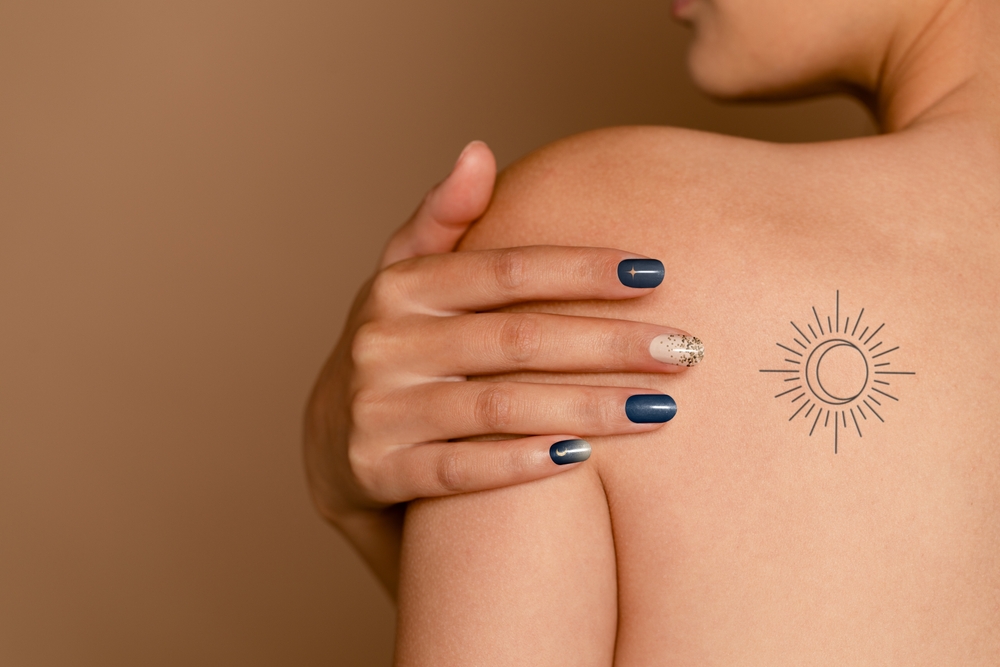
No matter how skilled the artist or compliant the client, fine line work occasionally requires a touch-up. This is an accepted reality of the style and should be communicated upfront.
Most reputable fine line artists offer a complimentary touch-up within 4–8 weeks of healing — assessed at the 8-week mark when the tattoo has fully settled. This builds client trust and demonstrates confidence in your own standards. Touch-ups should address specific soft spots or faded areas, not wholesale re-tattooing of the piece. If a client requires significant reworking beyond a normal top-up, it’s worth discussing what caused the healing issue to prevent it recurring.