It’s a fair question. Tattooing is a physical skill — your hands on a machine, needles meeting skin, technique refined through repetition. So when someone says you can learn it online, scepticism is reasonable. Can you actually learn to tattoo through a screen?
The short answer is yes — with important caveats. Here’s an honest breakdown of what online tattoo training can deliver, what it can’t replace, and how the best online courses are structured to account for both.

What Sceptics Get Right (and Wrong)
The scepticism about online tattoo training usually comes from one reasonable concern: you can’t practise on a client through a screen. That’s true. No amount of video instruction replaces the kinetic feedback of needle on skin — the resistance, the depth, the feel of the machine in your hand.
But this concern conflates two different things: knowledge acquisition and physical practice. These are not the same, and they don’t need to happen in the same place.
Think about how a surgeon learns their craft. They study anatomy, theory, procedures, and protocols through lectures, videos, and textbooks — and then they practise on cadavers and simulators before touching a live patient. Nobody argues that the academic component is worthless because it’s not performed in theatre.
Online tattoo courses work the same way. They deliver the knowledge and theoretical framework that underpins good technique. Physical practice — on synthetic skin, then on willing friends or practice clients — happens in parallel, at home or in a local studio environment.
What Online Tattoo Courses Cover Well
A well-designed online tattoo course can deliver exceptional instruction in:
Skin anatomy and ink behaviour: Understanding the layers of skin — epidermis, dermis, hypodermis — and how ink sits, migrates, and ages in each layer is fundamental knowledge. This is taught exceptionally well through video and illustrated content.
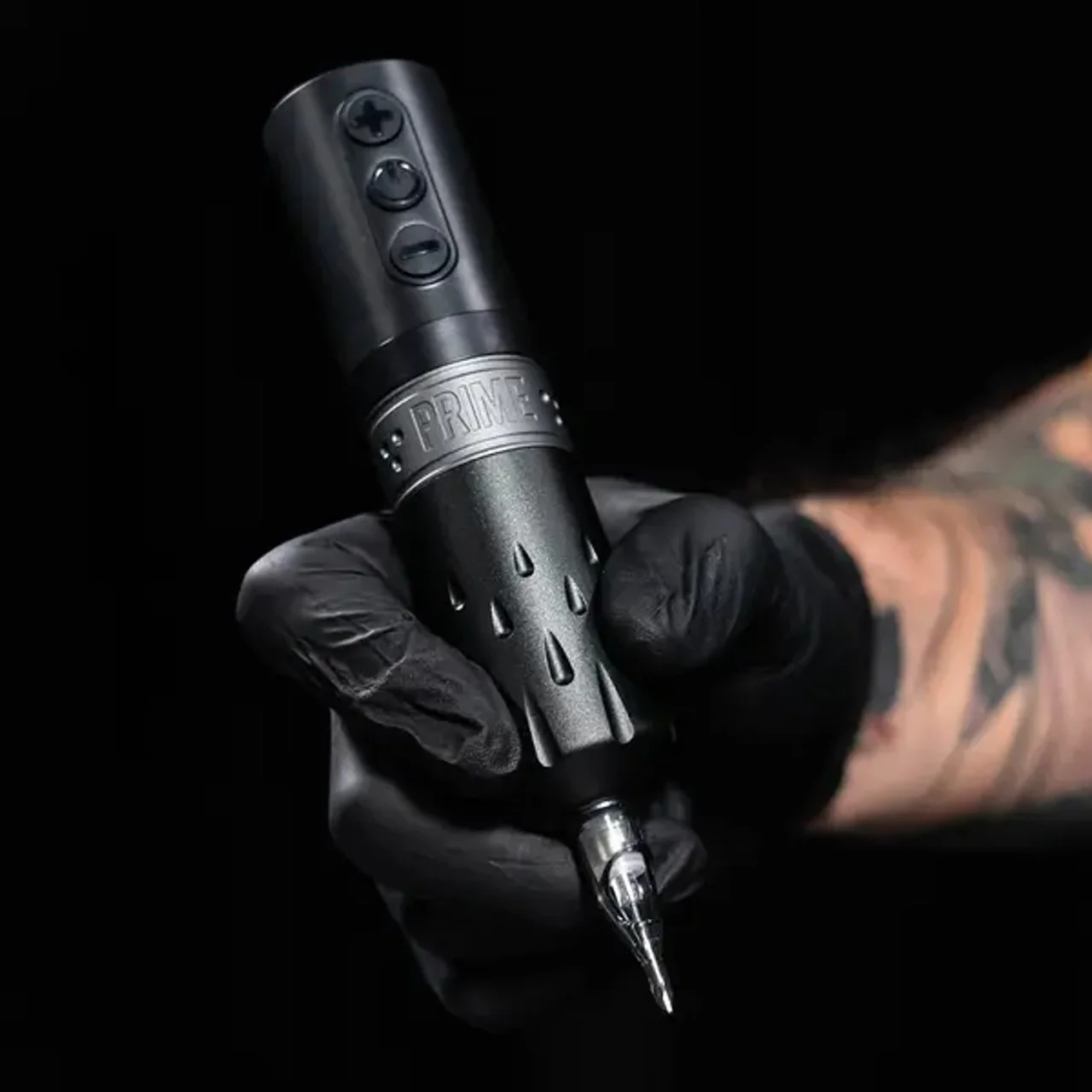
Machine setup, needle selection, and cartridge knowledge: Understanding the relationship between machine voltage, needle depth, speed, and the resulting mark on skin is learnable through demonstration. Watching an experienced artist set up and troubleshoot a machine teaches you what to look for and adjust.
Design principles and stencil preparation: How to translate reference art into a workable stencil, accounting for body curves and skin tension, is entirely teachable online.
Safety, sterilisation, and infection control: Hygiene protocols, cross-contamination prevention, and infection control — mandatory knowledge for any practising artist in Australia — are a natural fit for online instruction.
Style technique and composition: Whether you’re studying fine line, realism, or another style, the principles of composition, shading, line weight, and tonal balance are conveyed effectively through video breakdowns and annotated examples.
How Practice Fits Into Online Training
The best online tattoo courses don’t pretend the screen is a substitute for hands-on practice. Instead, they build practice into the curriculum explicitly.
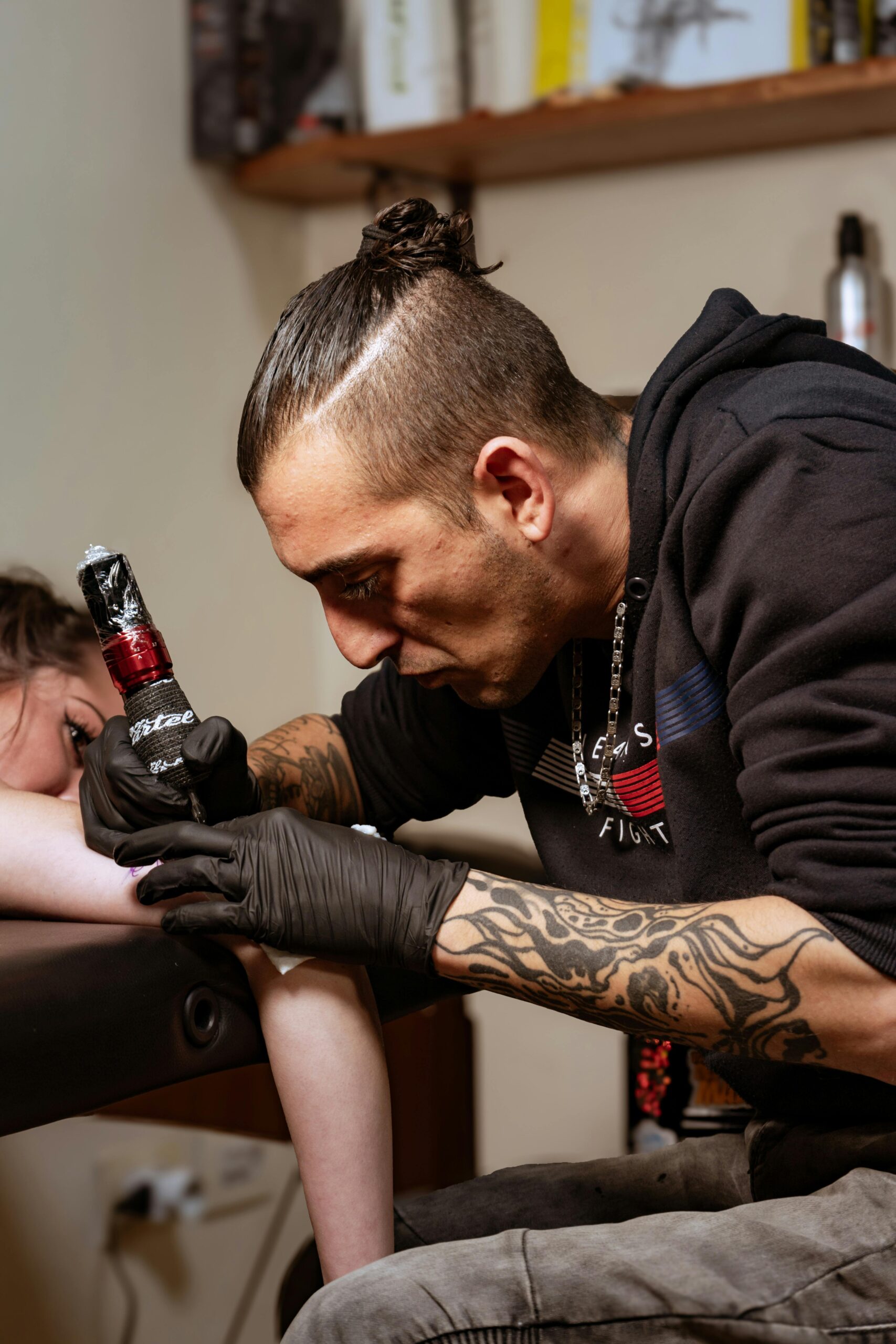
Students receive practice skin — synthetic pads or replica skin — as part of their course kit. They practise assigned exercises, photograph their results, and submit them to instructors for feedback. This creates a structured feedback loop: you practise, an expert reviews your work, you adjust and practise again.
This model is arguably more systematic than a traditional apprenticeship, where feedback can be ad hoc and dependent entirely on the mentor’s availability and teaching style. With online training, every student gets expert eyes on their practice work — not just when the head artist happens to walk past.
According to
What You Need to Supply: Commitment and Self-Discipline
The honest caveat about online tattoo training is that it requires more self-direction than a classroom or studio environment. You set your own study schedule, manage your own practice time, and push through the awkward early stages of learning a physical skill without someone standing over your shoulder.
For people with existing commitments — a job, a family, study — this is actually an advantage. Online courses flex around your life in a way that an in-studio programme or formal apprenticeship can’t. But it does require discipline.
The students who get the most out of online tattoo training are those who treat it like a professional commitment: they block practice time in their calendar, submit assignments promptly, and actively engage with their tutor rather than passively watching videos.
The Evidence: What Happens After Graduation?
The proof point for any training model is outcomes. Online tattoo course graduates are working professionally across Australia — operating from home studios, booth-renting in established studios, and building social media followings that generate consistent enquiry.
Our own graduates regularly post their work on Instagram within weeks of completing the practical components of their training. Many secure their first paying client within their first 90 days post-graduation.
So — Should You Enrol?
If your goal is to become a professional tattoo artist and you’re wondering whether online training is a legitimate pathway — the answer is yes. The key is choosing a course with experienced instructors, a structured practice feedback system, comprehensive curriculum coverage, and genuine student support.
Online training isn’t the lazy option. It’s a flexible, well-structured pathway that, done properly, produces industry-ready artists. The question isn’t whether online learning works — it’s whether you’re ready to commit to doing the work.