The tattoo consultation is where careers are built or stalled. A technically brilliant artist who can’t convert an enquiry into a booking earns nothing. An artist who nails the consultation builds a full diary and a loyal client base — even before their technical skills are at their absolute peak.
This guide walks you through a professional consultation process from first contact to confirmed booking, covering everything from initial communication to design discussions and pricing conversations.
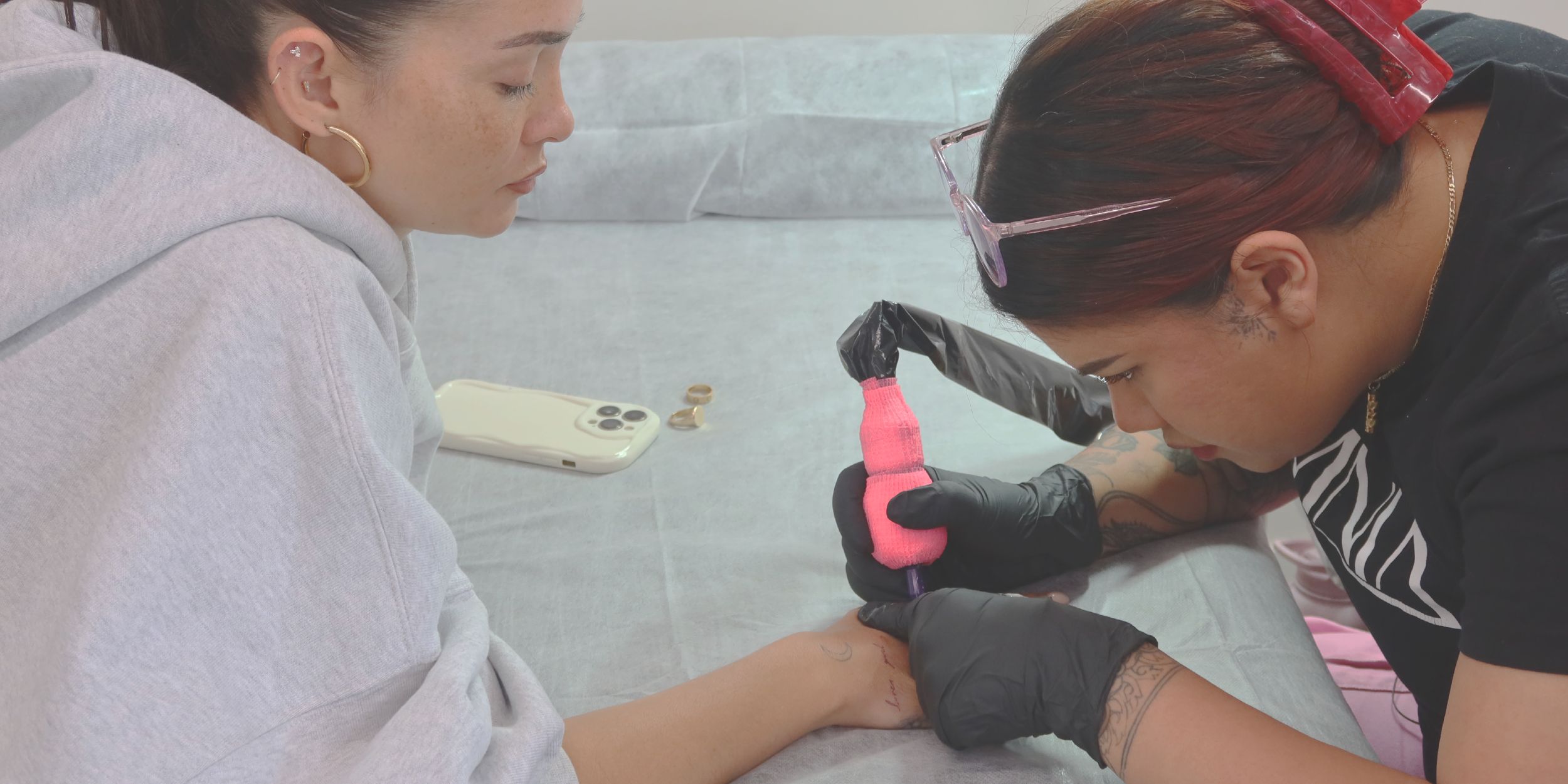
Why Most Artists Underestimate the Consultation
New artists typically focus almost exclusively on technique — and rightly so, because technique is the foundation. But many make the mistake of assuming that good work sells itself. In the early stages of your career, before you have an established following and a waitlist, the consultation is often the deciding factor between a client booking with you or someone else.
Clients arrive at a consultation with one primary concern: can I trust this person to permanently mark my body in a way I’ll be happy with for the rest of my life? Everything about how you conduct the consultation either builds or erodes that trust.
First Contact: Setting the Tone
The consultation begins the moment a potential client reaches out — whether by DM, email, or contact form. How you respond to that first message establishes your professionalism before the client has set foot in your space.
Respond promptly: A response within a few hours signals that you value the enquiry. Delays of 24 hours or more in the early stages of your career will cost you bookings — clients will move on to the next artist in their search.
Ask the right questions immediately: Don’t just say ‘yes I can do that’ before you know the details. Ask for: the subject or design concept, rough size and placement, any reference images the client has collected, and their timeline. This demonstrates that you’re thoughtful and helps you assess whether the project is right for you.
Set the consultation expectations: Let the client know what happens next — whether you do consultations in person, by video, or via email/message — and what they should bring or prepare.
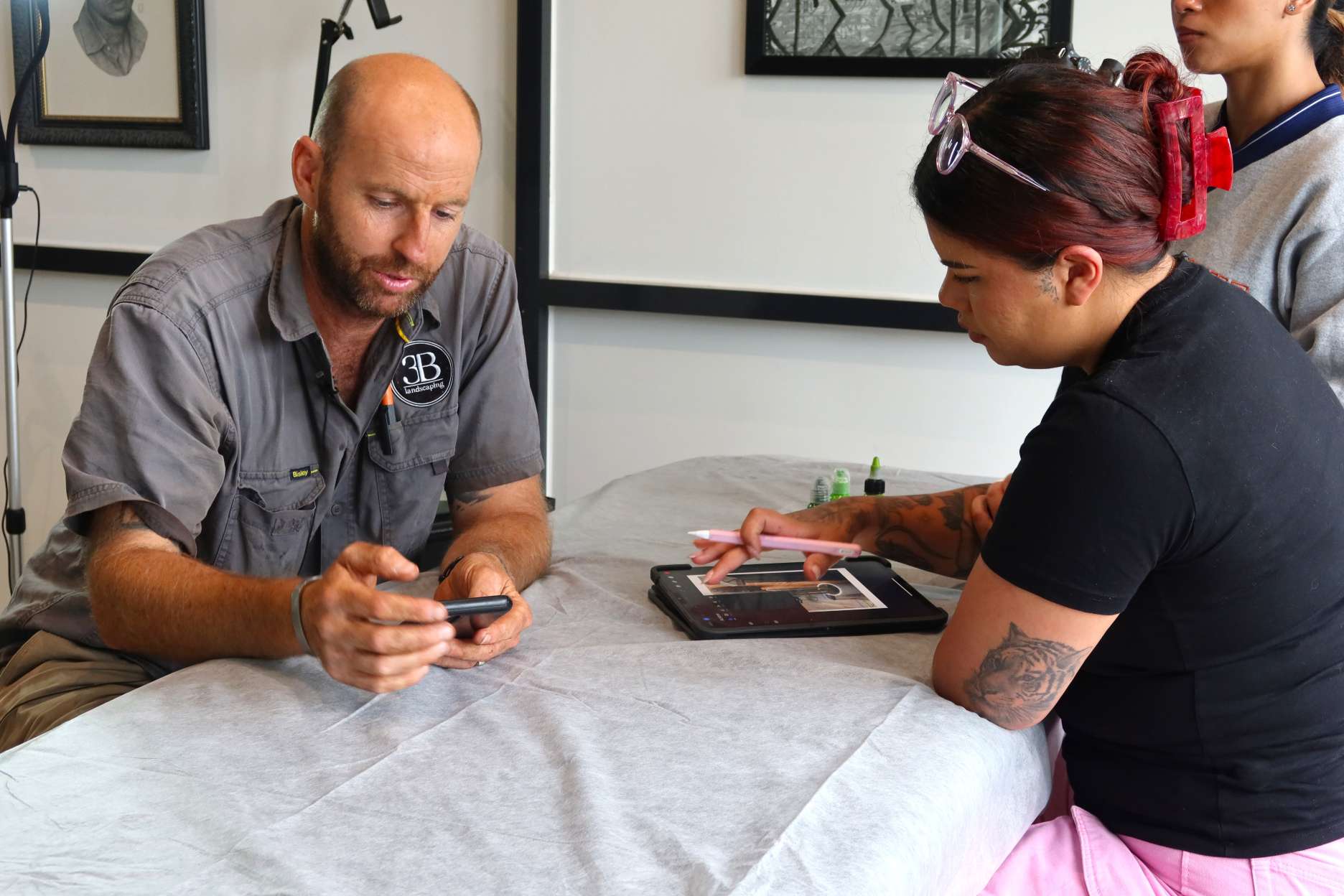
The In-Consultation Process
Whether your consultation is in person, over video call, or via a detailed message exchange, the structure should cover the same ground:
1. Listen to the brief: Let the client describe what they want fully before you respond. Ask open questions: ‘What made you want this particular design?’ ‘Is there a meaning behind it?’ ‘What styles do you feel drawn to?’ The answers reveal what matters most to them — which tells you how to present your approach.
2. Discuss placement and size: Ask the client to show you the placement on their body (or describe it clearly in a remote consultation). Size and placement affect everything — design complexity, session length, healing, and the long-term appearance of the work.
3. Educate, don’t just agree: Part of a professional consultation is helping clients make good decisions. If their reference image is fine line work but they want it the size of a postage stamp in a location that will blur in five years, it’s your job to tell them — professionally and with alternatives. Clients who receive honest guidance trust you more, not less.
4. Show your relevant work: Pull up portfolio pieces relevant to their concept. This isn’t about showing off — it’s about helping the client visualise what’s possible and confirm you’re the right artist for what they want.
5. Outline the process: Walk them through what happens next: design creation and approval, booking process, deposit requirements, session length and structure, aftercare responsibilities.
Handling the Price Conversation
Pricing conversations make many new artists uncomfortable, and clients can sometimes push back on rates. Here’s how to handle this confidently:
State your pricing clearly and without apology. Give a realistic estimate rather than a low figure designed to win the booking — clients who later feel the final price was higher than expected become difficult clients.
When clients ask ‘can you do it for less?’, the answer is honest: your rate reflects the quality of the work, the materials used, and the expertise behind it. You can offer a smaller or simpler design for less; you can’t do the same work for less.
Artists who discount freely train clients to negotiate and undervalue their work. Holding your rate, early in your career, is a discipline that protects your long-term positioning in the market.

Deposits and Booking Confirmation
Always take a deposit to confirm a booking. This is industry standard practice for good reason: it filters out uncommitted clients, compensates you if the client cancels late, and establishes the professional nature of the transaction.
A deposit of 20–30% of the estimated total is common. Make your cancellation and rescheduling policy clear at the time of booking — put it in writing via email or a booking confirmation message.
Clients who are serious about their booking won’t hesitate to pay a deposit. Those who object strongly are often signalling that they may not show up — that signal is worth heeding.
After the Consultation: The Follow-Up
Send a follow-up message within 24 hours of the consultation. Summarise what was agreed — design direction, placement, size, date, time, deposit received — and reiterate aftercare preparation instructions (avoid sun, stay hydrated, eat a proper meal beforehand). This small step demonstrates professionalism, reduces the likelihood of misunderstanding, and gives the client a positive impression of working with you before they’ve even had the tattoo.