Graduating from a tattoo academy represents an exciting milestone, but it’s merely the beginning of your professional journey rather than the destination. The pathway from newly qualified artist to successful studio owner involves numerous stages, each with distinct challenges, learning opportunities, and decision points that shape your ultimate success.
Understanding this progression helps you set realistic expectations, make strategic choices, and avoid common pitfalls that derail promising careers before they truly begin.
Whilst every tattooist’s journey is unique, successful progressions typically follow recognisable patterns: building foundational skills through initial professional work, establishing client bases and reputations, achieving financial stability and professional confidence, and eventually, for some, transitioning into studio ownership or other leadership positions within the industry.
This journey rarely follows straight lines, with setbacks, pivots, and unexpected opportunities creating winding paths toward ultimate goals. However, understanding typical progressions helps you navigate your unique journey with greater confidence and strategic awareness.
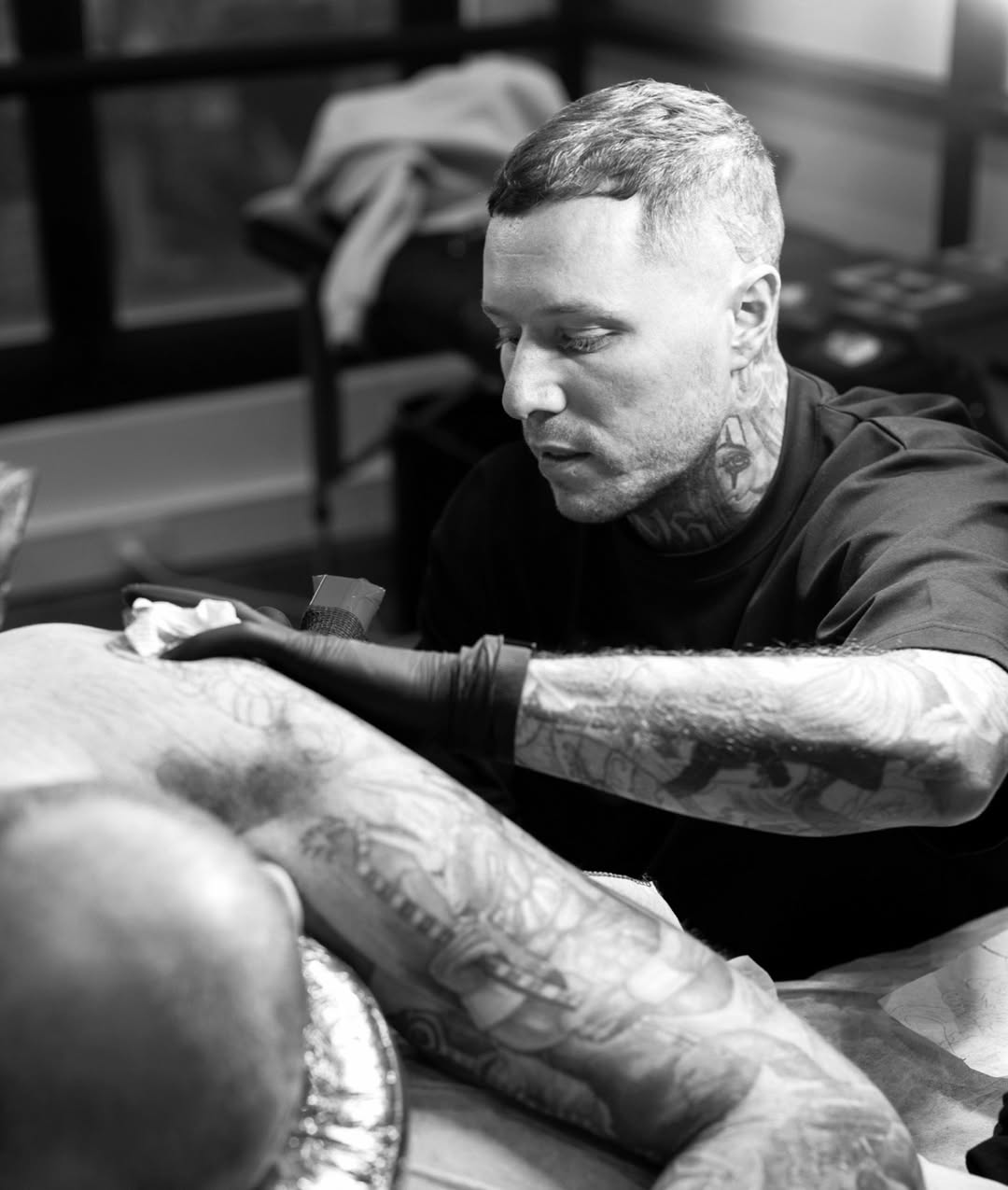
The First 12 Months: Establishing Professional Foundations
Your first year as professional tattooist creates foundations determining long-term career trajectory. This critical period involves transitioning from training environment safety into professional realities whilst building skills, confidence, and initial clientele.
Initial employment or client acquisition immediately after graduation represents most graduates’ first major challenge. Some secure employment with established studios, others rent chairs in existing shops, whilst some begin independently through home studios or mobile services. Each approach has distinct advantages and challenges, with employment providing stability and mentorship at the cost of independence, whilst independent practice offers freedom at the price of isolation and complete business responsibility.
Building client bases from zero requires consistent marketing, excellent work quality, and strategic pricing that attracts initial clients whilst maintaining financial viability. Your first year involves substantial self-promotion through social media, word-of-mouth cultivation, and potentially offering promotional pricing that generates bookings and portfolio work despite reduced income. This investment period feels uncomfortable but proves essential for establishing momentum.
Skill refinement through real client work differs dramatically from training practice. Clients bring unexpected challenges from difficult body areas to unclear design briefs to anxiety management that courses cannot fully replicate. Every client teaches valuable lessons, with early career artists learning as much from challenging experiences as from smooth successes. Embrace this steep learning curve rather than expecting perfection immediately.
Portfolio development through strategic client selection and work documentation creates marketing materials crucial for future growth. During your first year, photograph every piece obsessively, carefully curate best work for public portfolios, and learn photography skills that showcase your artistry effectively. Strong portfolios attract better clients, command higher prices, and open employment opportunities throughout careers.
Financial management during lean early periods requires careful budgeting, realistic income expectations, and potentially maintaining supplementary income whilst building tattooing to sustainable levels. Few artists generate full-time income immediately upon graduation. Planning for gradual transitions rather than assuming instant financial success prevents debt accumulation and allows sustainable career building rather than desperate decisions from financial pressure.
Professional reputation building through excellent work, reliable communication, and positive client experiences creates word-of-mouth that becomes primary marketing over time. Every client interaction either builds or damages reputation, with early career artists particularly vulnerable to reputational damage from mistakes they haven’t yet learned to avoid. Prioritise client satisfaction and professional behaviour even when inconvenient or financially costly in the short term.
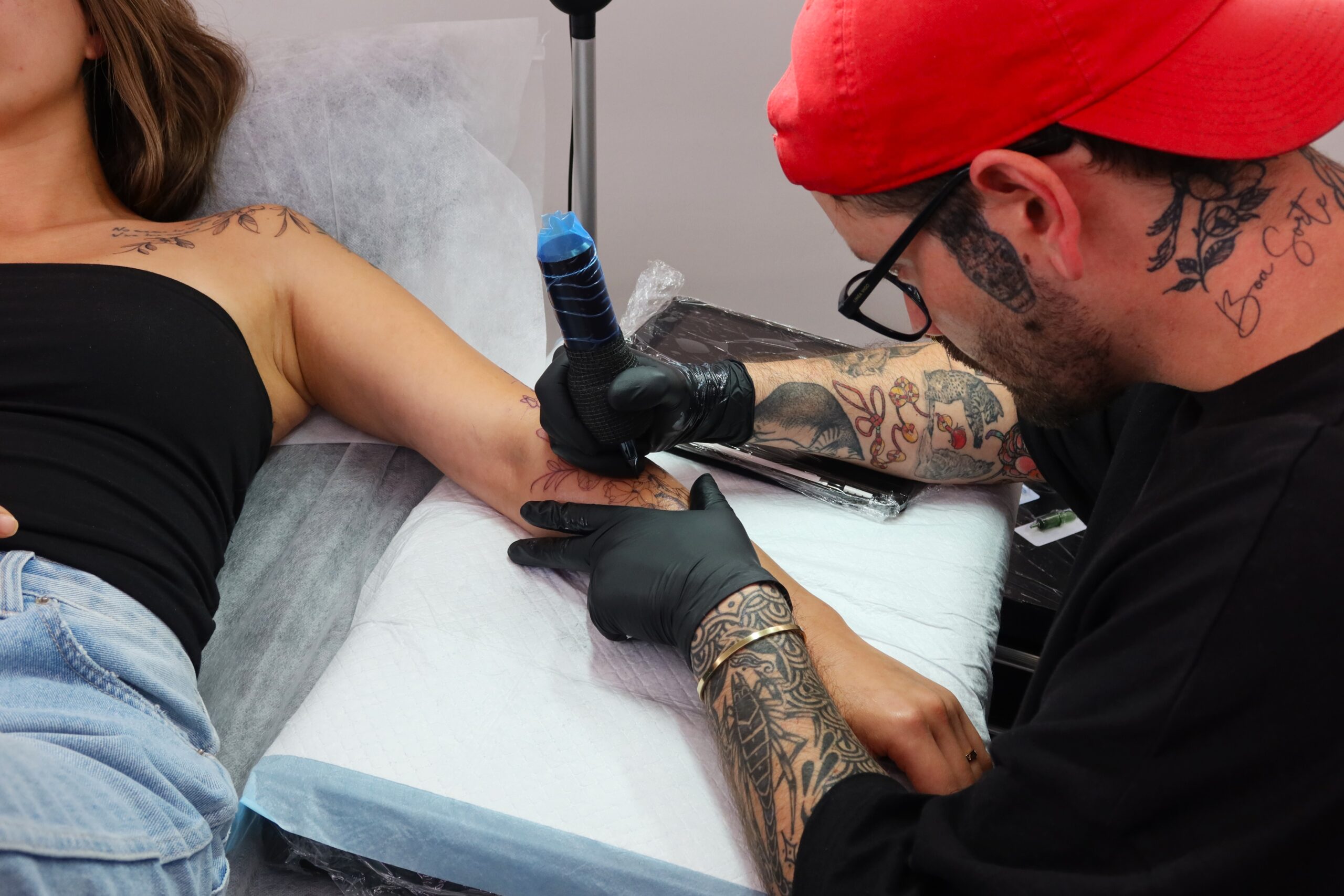
Years 2-3: Building Reputation and Increasing Income
Years two and three typically involve consolidating foundations whilst experiencing substantial skill development, growing client bases, and increasing income as your reputation spreads and confidence grows.
Client base expansion through satisfied customer referrals, improved portfolio attracting higher-caliber clients, and strategic marketing efforts builds booking consistency that stabilises income and reduces feast-or-famine cycles that plague early career artists. By year two, successful artists typically maintain steady bookings rather than desperately seeking clients between appointments.
Pricing increases reflecting growing skills, demand, and market positioning allow income growth beyond simply working more hours. As your reputation strengthens and bookings become consistent, strategic price increases ensure income matches your developing expertise. However, pricing transitions require confidence and careful communication preventing client loss whilst attracting demographics valuing quality over cheap rates.
Style development and specialisation often begins around year two as artists discover strengths, preferences, and market niches where they excel. Whilst maintaining versatility, developing recognised specialisation in particular styles like fine line work, portraiture, or traditional tattooing attracts clients specifically seeking those specialties, often willing to pay premiums for acknowledged expertise.
Professional network expansion through industry connections, social media presence, and potentially convention participation increases visibility whilst creating referral sources and learning opportunities. Successful year-two artists typically move beyond isolation into engaged industry participation that provides both professional development and business opportunities.
Equipment upgrades and studio improvements reflect increasing income whilst supporting better work quality and client experiences. Initial equipment gets replaced with premium alternatives as you understand preferences and afford better tools. Studio spaces improve through careful investment in comfort, aesthetics, and functionality that enhance client experiences whilst supporting your productivity.
Business system development including booking management, financial tracking, and client relationship management becomes increasingly sophisticated as client volume grows beyond what simple methods handle effectively. Implementing proper systems during this growth phase prevents operational chaos whilst supporting continued expansion without overwhelming administrative demands.
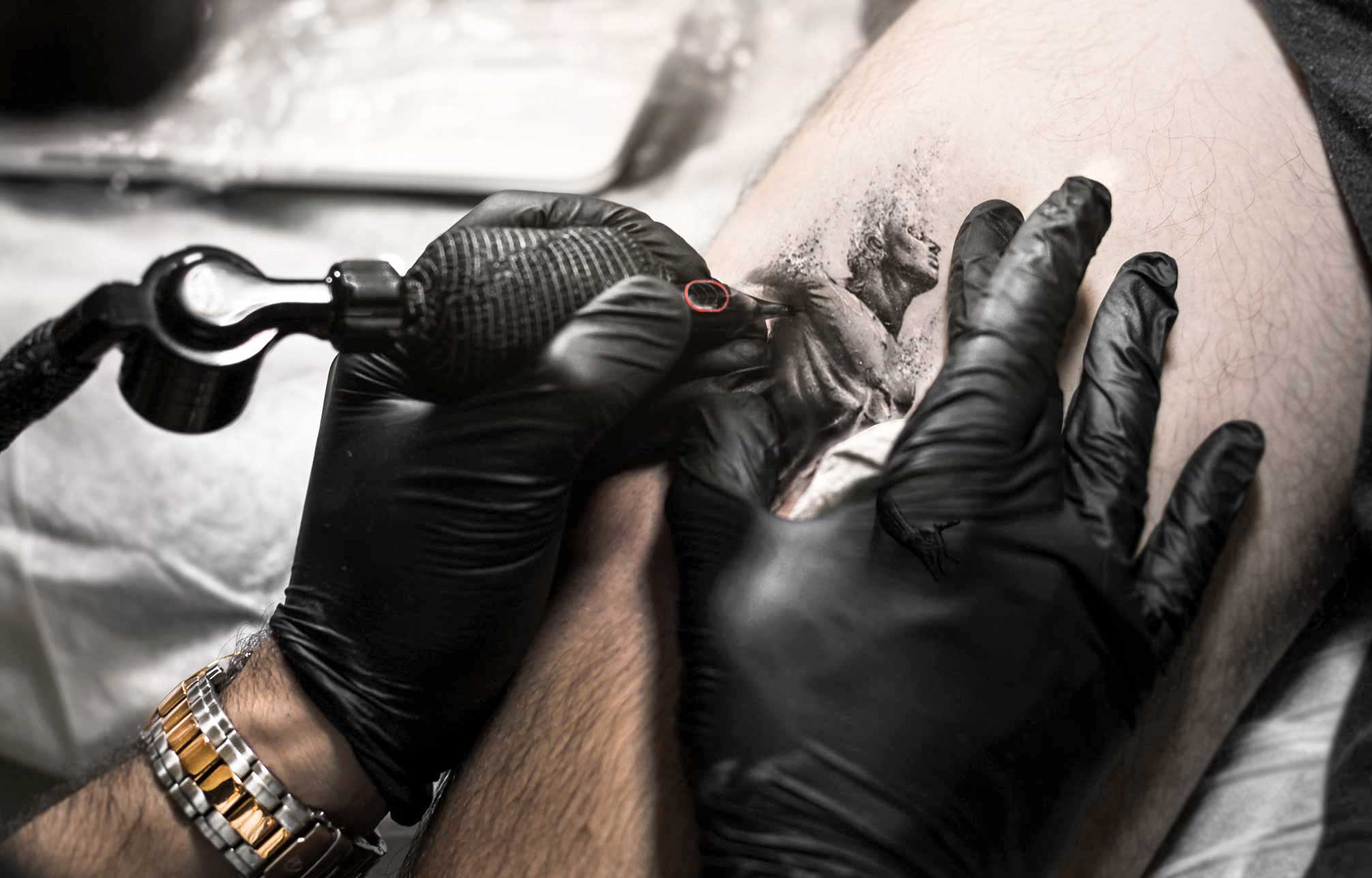
Years 3-5: Achieving Professional Maturity
Mid-career represents professional maturity where you’ve moved beyond beginner status into confident, skilled practitioner commanding respect from clients and peers whilst generating sustainable income supporting comfortable lifestyles.
Income stabilisation at levels supporting desired lifestyles typically occurs during years three through five for successful artists. By this point, consistent client flow, established pricing, and operational efficiency create financial predictability allowing major purchases, savings, and long-term planning previously impossible during early career uncertainty.
Advanced skill development through continuing education, experimental work, and deliberate practice addressing remaining weaknesses elevates you from competent to exceptional. Mid-career artists often pursue advanced training in specialised techniques, attend workshops with respected artists, and deliberately challenge themselves with complex projects that push capabilities beyond comfort zones.
Industry recognition through convention guest spots, magazine features, or social media following elevates professional standing whilst opening opportunities from sponsored equipment to teaching positions to international work that early career artists cannot access. Building this recognition requires years of consistent excellent work, strategic self-promotion, and often fortuitous timing that you can influence but not entirely control.
Mentorship and teaching opportunities often emerge during mid-career as established artists share knowledge with beginners. Some find satisfaction and supplementary income through private tutoring, guest instructor positions at training programmes, or YouTube content creation that establishes thought leadership whilst diversifying income sources beyond client work alone.
Strategic business decisions around employment versus independence, studio ownership exploration, or maintaining current comfortable arrangements determine next career phase directions. By year five, you’re positioned to make informed choices about whether to pursue studio ownership, remain happily employed, or continue independent operation based on personal preferences and market opportunities rather than merely accepting whatever circumstances arise.

The Studio Ownership Decision
Transitioning from employed or independent artist into studio owner represents major career decision that’s appropriate for some but not all successful tattooists. Understanding what ownership involves helps you make informed choices rather than assuming studio ownership automatically represents career apex.
Studio ownership motivations vary from desiring complete independence and control to seeing business opportunities in employing other artists to wanting physical permanence rather than chair rental transience. Clarifying your motivations helps evaluate whether ownership genuinely serves your goals or represents chasing status symbols without considering realities behind aspirations.
Financial requirements for studio launch including deposits, fit-out costs, equipment for multiple artists, and working capital for several months’ expenses typically total $50,000 to $150,000 depending on location, size, and fit-out quality. These substantial investments require either significant savings, business loans, or investors, making studio ownership financially accessible only after years building resources and establishing credit worthiness.
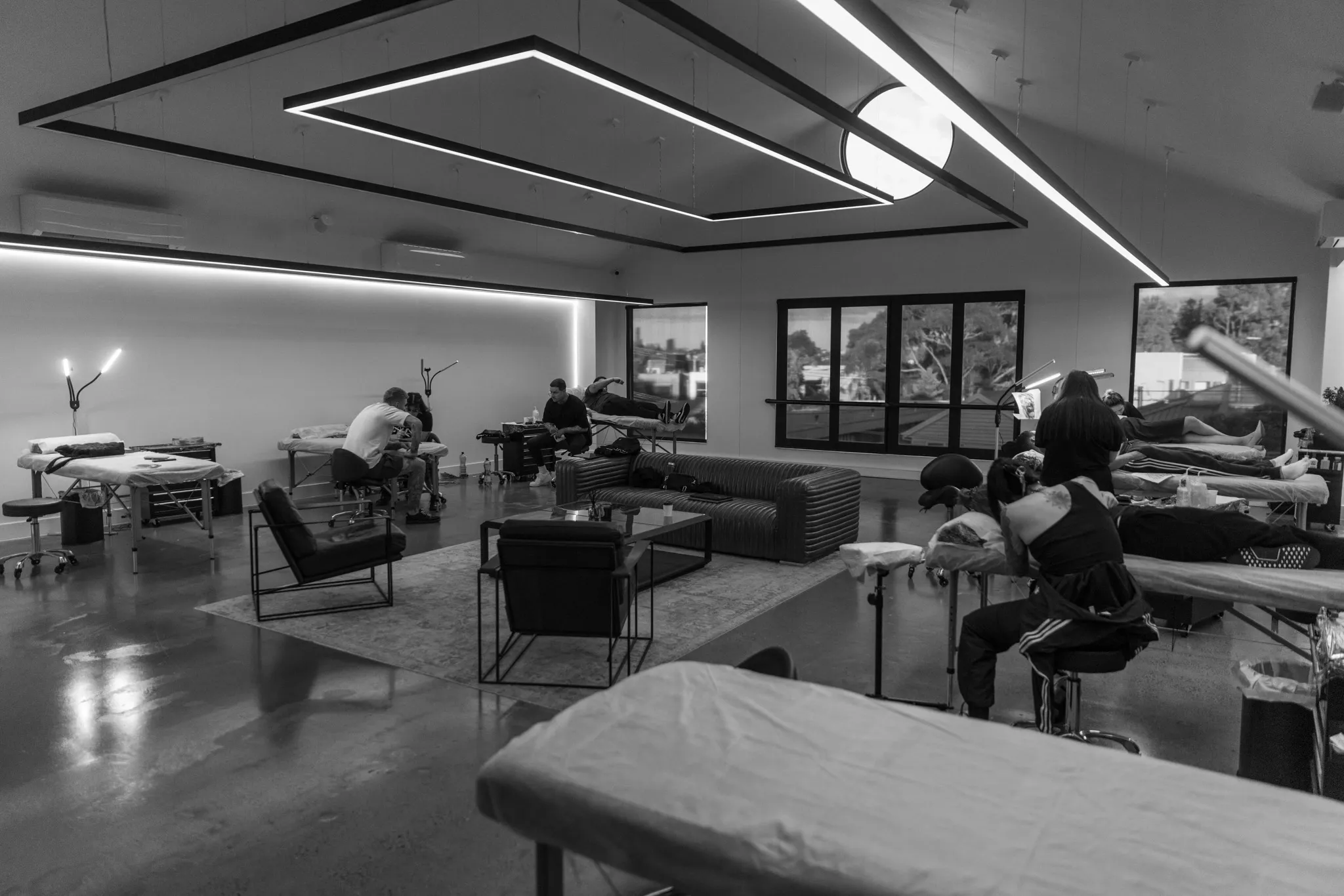
Operational complexity multiplies dramatically when hiring employees, managing schedules, maintaining equipment for multiple artists, handling marketing and administration, and ensuring regulatory compliance across all operations. Studio owners often find themselves doing substantially less tattooing as administrative demands consume time previously devoted to artistic practice. Those who love tattooing but hate administration often regret ownership decisions that transform them from artists into managers.
Legal and regulatory requirements including business registration, lease negotiations, council approvals, health department inspections, and employment law compliance create substantial administrative burdens and potential liabilities that employed artists avoid entirely. Studio ownership means accepting these burdens whilst understanding that mistakes carry serious financial and legal consequences affecting not just yourself but employees and clients depending on your business.
Revenue versus income distinctions prove crucial for understanding studio ownership economics. Studios might generate $500,000 annual revenue whilst owners’ personal income remains far lower after paying artists, rent, supplies, insurance, and countless other expenses. Gross revenue figures impress but mean little for personal financial outcomes, with many studio owners earning comparable or even less than employed artists whilst working substantially longer hours managing businesses.
Lifestyle impacts from ownership responsibilities often surprise those accustomed to employed artist flexibility. Studio owners can’t simply take holidays without complex arrangements for ongoing business operations. Equipment failures, staff conflicts, and regulatory issues demand immediate attention regardless of personal convenience. Ownership’s freedom comes with substantial responsibility that constrains life differently than employment but equally significantly.
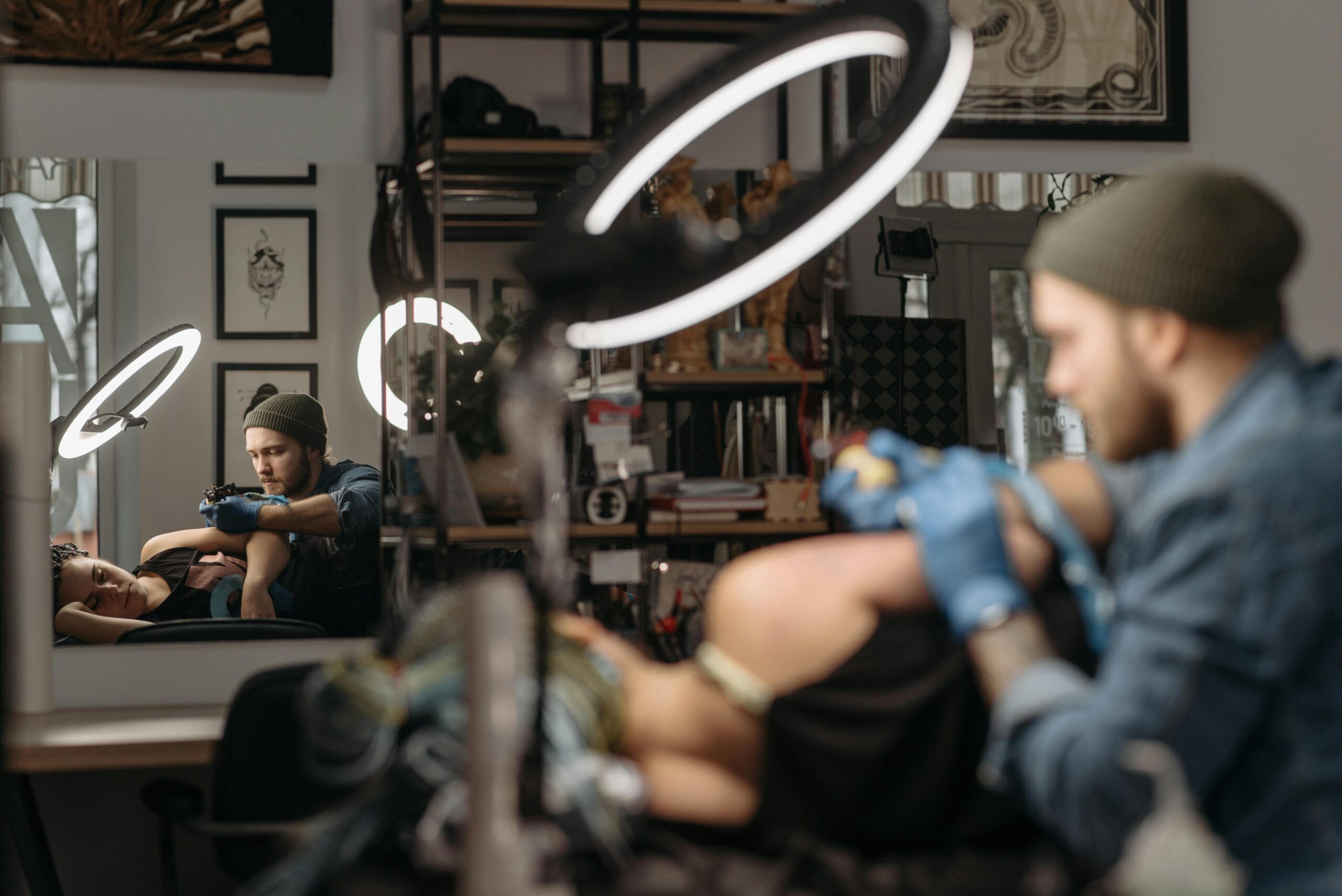
Building Successful Tattoo Studios
For those who choose studio ownership despite challenges, success requires far more than tattooing skills. Exceptional studio owners master business management, leadership, marketing, and operational efficiency alongside artistic excellence.
Location selection dramatically affects studio success through visibility, accessibility, parking, neighbouring businesses, and demographic alignment with target clientele. Urban locations offer density and visibility at high rent costs, whilst suburban or regional locations reduce overhead whilst potentially limiting client pools. Thorough location analysis prevents costly mistakes from attractive spaces serving wrong markets or having hidden operational challenges.
Studio culture and team building determines whether multiple artists create collaborative environments or toxic workplaces that repel talent. Successful owners cultivate positive cultures through careful artist selection, clear expectations, fair treatment, and leadership that inspires rather than merely directs. Culture impacts reputation, employee retention, and ultimately business sustainability beyond any single owner’s capabilities.
Systems and processes for booking, client management, inventory, financial tracking, and countless operational elements separate smoothly running studios from chaotic operations constantly firefighting crises. Investing time developing comprehensive systems during early ownership phases creates foundations supporting growth whilst preventing operational collapse as complexity increases with success.
Marketing and brand development for studios requires different strategies than individual artist promotion. Studio brands must attract diverse clientele whilst maintaining cohesive identities that differentiate from competitors. Successful studio marketing balances individual artist promotion with overall studio brand building that creates value beyond summing individual artists’ separate reputations.
Financial management through proper accounting, tax planning, cash flow monitoring, and profitability analysis ensures studio success actually generates financial rewards justifying ownership efforts and risks. Many studios appear successful externally whilst struggling financially through poor financial management leaving owners working harder for less money than employment would provide.
Scalability planning from single locations through potential multi-studio operations or franchising requires sophisticated business thinking beyond managing single small operations. Not all owners want or need growth beyond initial studios, but those pursuing expansion need substantially more sophisticated business capabilities supporting larger, more complex organisations.
Alternative Career Progressions
Studio ownership represents one career path amongst many, with numerous successful tattooists building satisfying careers through different trajectories equally valid and potentially more suitable for individual preferences and circumstances.
Employed artist careers in high-quality studios provide excellent income, creative fulfillment, and stability without ownership burdens. Exceptional employed artists often earn comparable income to studio owners whilst avoiding administrative headaches and maintaining flexibility around tattooing rather than managing businesses. This path deserves respect rather than assumptions that staying employed represents career limitation.
Independent operators working from home studios, renting chairs, or providing mobile services maintain autonomy whilst avoiding major overhead and employee management responsibilities. This middle path between employment and ownership suits many artists perfectly, providing independence without requiring substantial capital or accepting full studio operation responsibilities.
Specialisation into niche markets like medical tattooing, cosmetic procedures, or highly specialised artistic styles can command premium rates from targeted clientele rather than competing in general tattoo markets. These specialisations often develop mid-career as artists identify underserved niches where their particular skills create competitive advantages justifying focused positioning.
Education and content creation through teaching, YouTube channels, or social media influence generates supplementary income whilst establishing expertise and potentially creating full-time alternative careers beyond client work. Some artists discover they’re better educators than practitioners, transitioning partially or fully into teaching whilst maintaining artistic practice at reduced levels.
Product development and brand building around art prints, merchandise, or branded products leverages artistic reputation into product sales supplementing or eventually replacing tattooing income. This pathway requires entrepreneurial capabilities beyond artistic skills but offers exciting alternatives for artists interested in business expansion beyond service provision alone.
Your Unique Journey Starts Here
Career progression from tattoo academy graduate to studio owner or other success markers reflects countless individual decisions, circumstances, and opportunities that create unique trajectories. Understanding common patterns helps navigation whilst accepting that your specific journey will differ from everyone else’s based on countless factors from geographic location to personal preferences to sheer luck.
Omnia Tattoo Academy provides comprehensive foundations launching successful tattooing careers regardless of your ultimate destination. Our training develops both artistic excellence and professional capabilities essential for career success whether as employed artists, independent operators, or eventual studio owners.
Our 100% online, self-paced delivery with 12-month access allows building professional foundations whilst maintaining current employment and income. Complete equipment provision prepares you for immediate professional practice upon graduation. Expert tutor support from working industry professionals provides insights about career realities and progression pathways beyond pure technical training.
With payment plans from just $40 per week, professional tattoo training launches your career journey without overwhelming financial burdens. Ready to begin your professional progression? Explore how comprehensive training prepares you for professional success, discover graduate success stories showing diverse career paths, and understand specialisation opportunities available throughout careers. Your journey from student to successful professional starts with solid educational foundations supporting whatever path you choose.